
Step beyond the garden gate.
The Friends of Royal Botanic Gardens Melbourne Growing Friends’ group has pop up plant sales most Fridays and two main sales in Autumn and Spring.
By Rosemary Scott
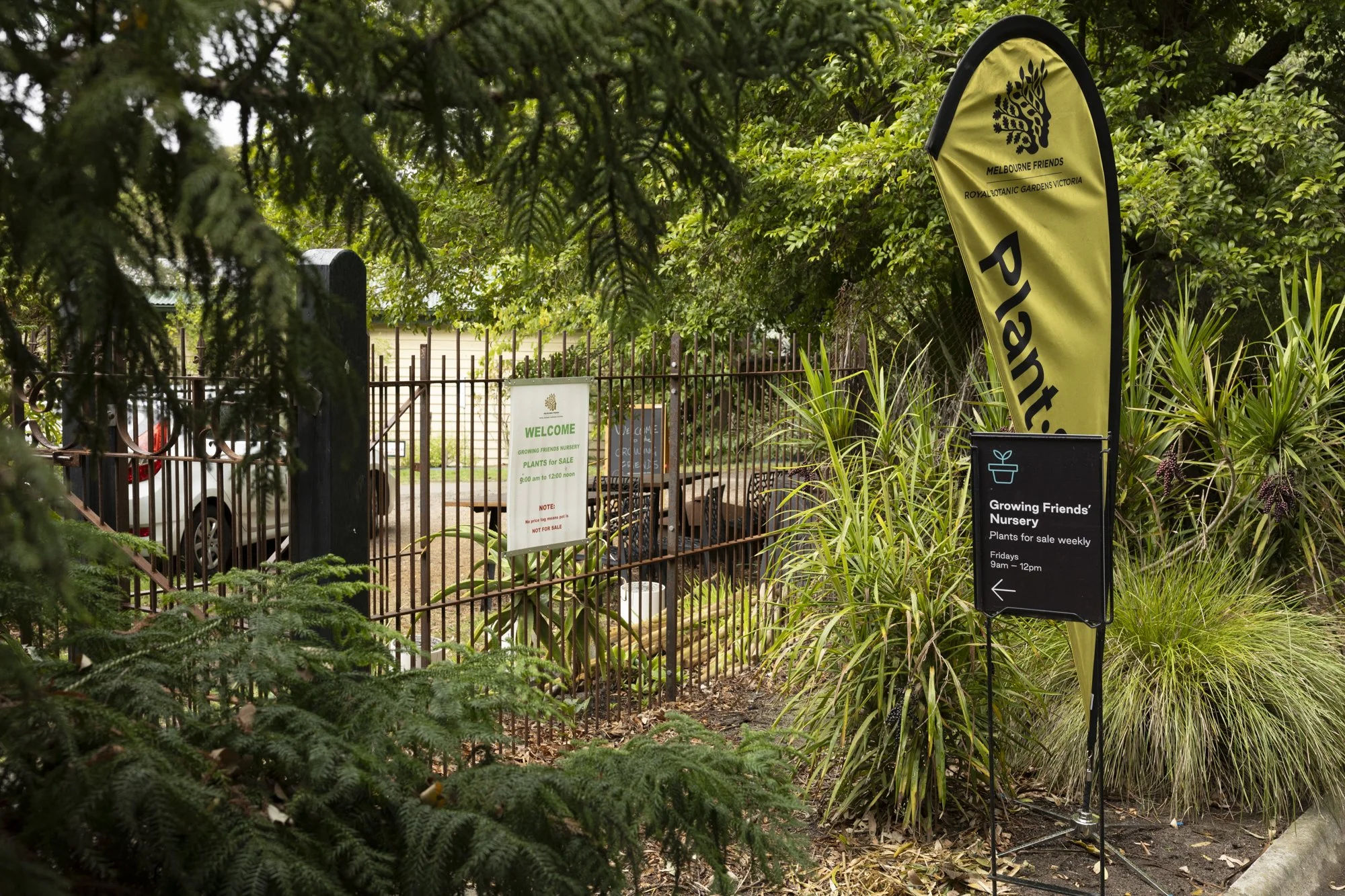
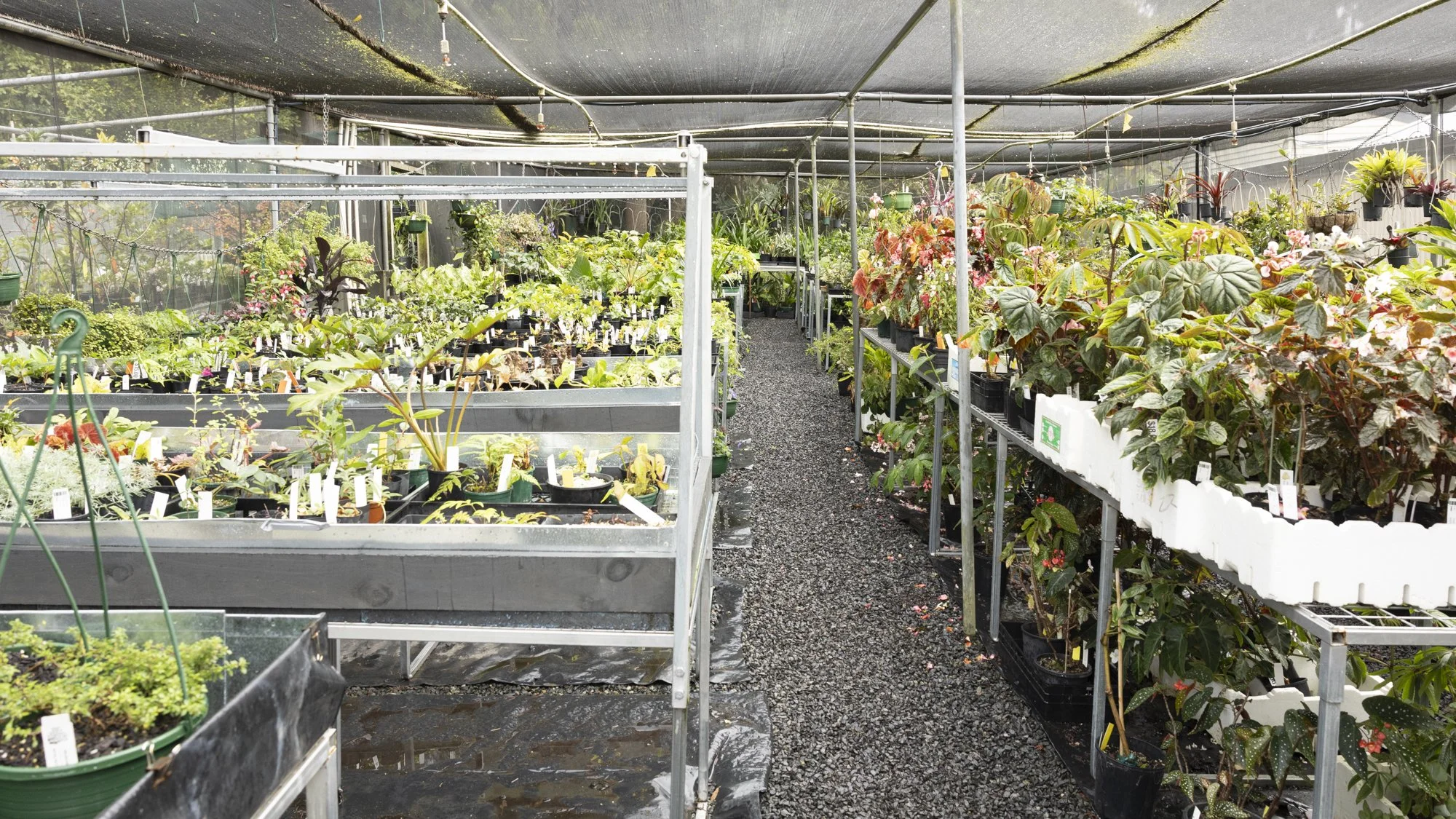
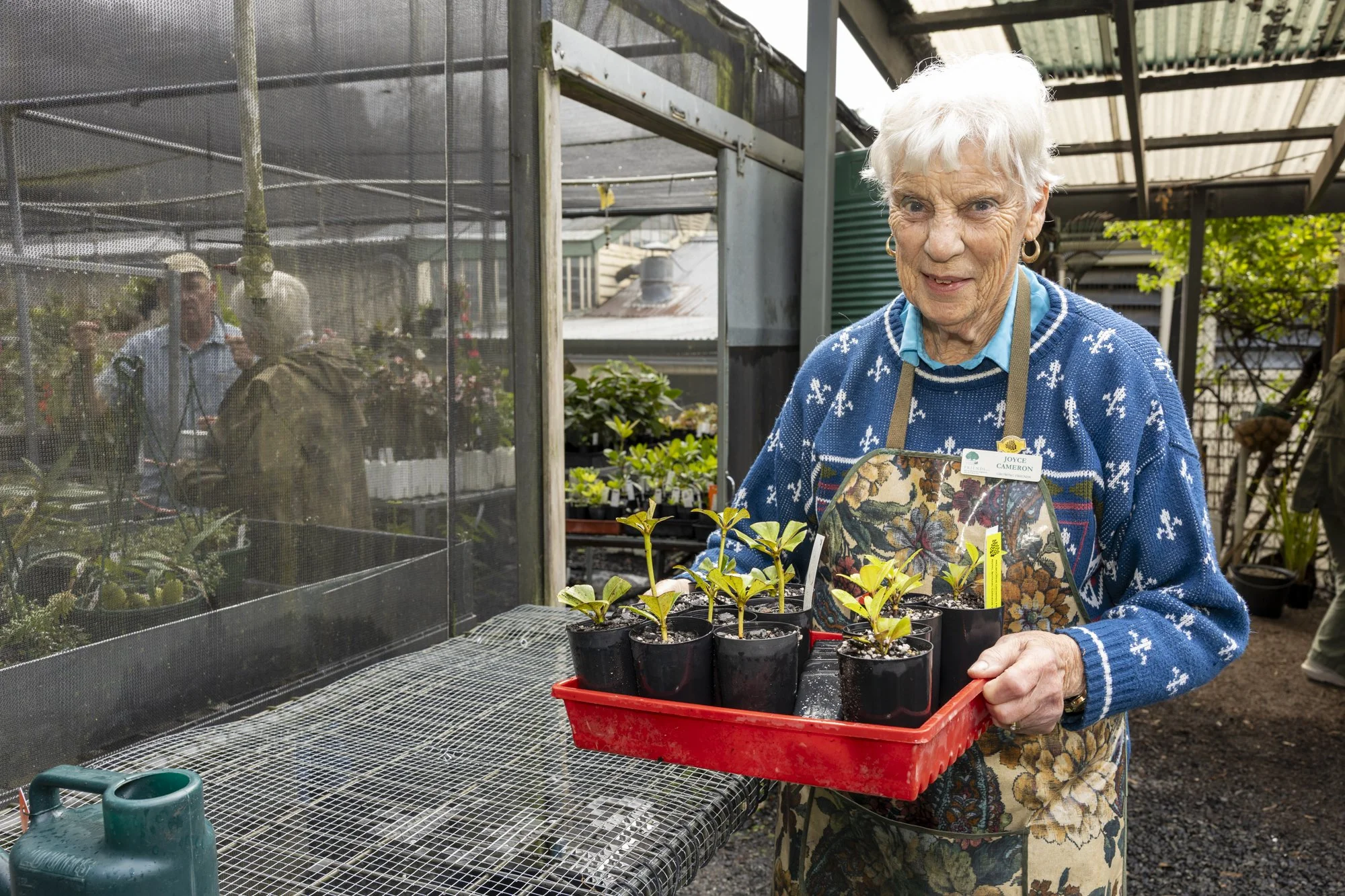
Tucked behind an inconspicuous gate at the Royal Botanic Gardens in Melbourne is a plant nursery where the people are just as interesting and diverse as the plants they grow.
Run by volunteers through the Friends of Royal Botanic Gardens Growing Friends' Group, the nursery is full to the brim with plants getting ready to put on a show for the annual Autumn fundraising sale.
The group propagates and raises plants for sale, mostly sourced within the Gardens. The funds help support the not-for-profit Friends’ organisation, which in turn supports the Melbourne Gardens. As well as fundraising, the Growing Friends’ Group champions the Gardens, encourages an interest in plants and gardening amongst members and the public and supports conservation and scientific research.
Some of the plants are rare, some are unusual, some are colourful. All are tended to with love and expertise to ensure they have the best chance of thriving when they go to their new homes.
It is not an easy gig, but it is rewarding. Volunteers need to be available for 4-6 hours every Friday, rain hail or shine. They need to commit for the long term and, with anywhere from 25-35 volunteers on site at once, they need to be able to work with a range of people in a nursery space packed to the rafters with plants ahead of the Autumn sale.
Somehow it all works, with five new volunteers coming on board in the past 12 months. There is a documented induction process and manual, and a lot to learn as volunteers rotate through each section and gradually take on more complex tasks and responsibilities.
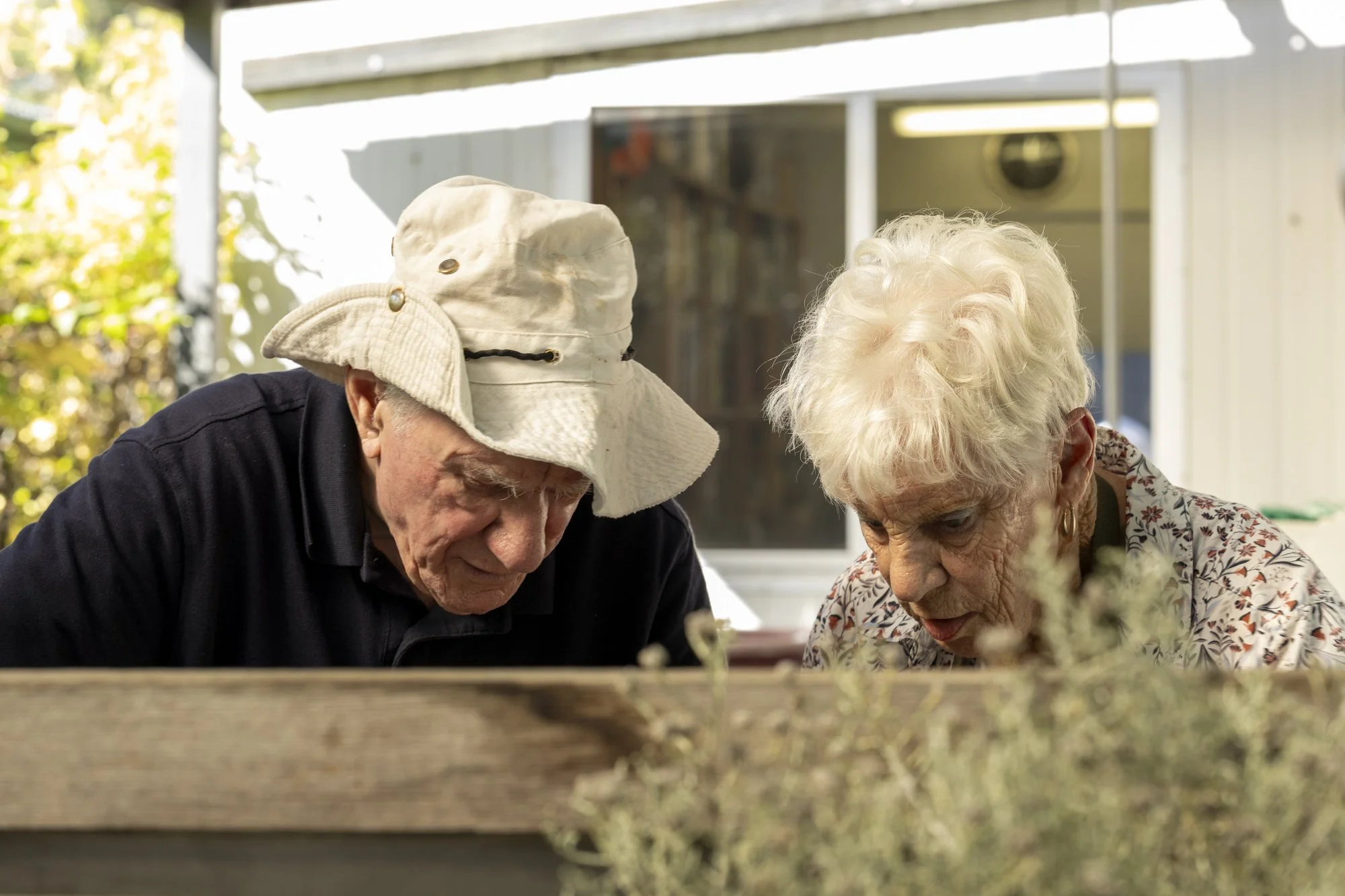
Each volunteer, whether they’ve been there for a long time or a short time, shares a common interest - not just in the plants and the Botanic Gardens, but in being outdoors, connecting with others and giving back.
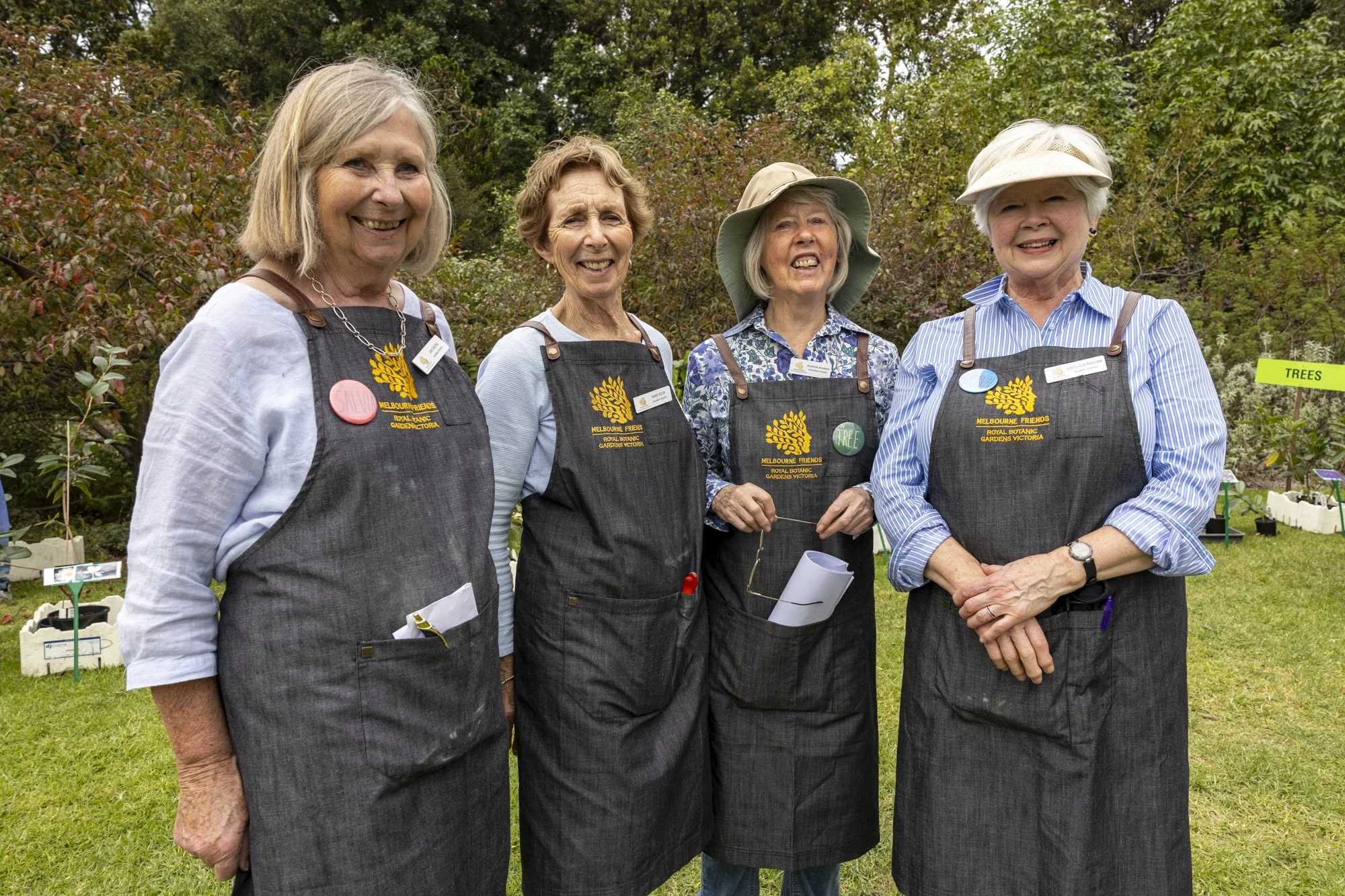
Longest serving volunteers
Even within the garden, people become known for certain plants or areas of knowledge, and that gets shared. It’s really valuable.
- Sharon, volunteer
I think we’re losing diversity in home gardens, and part of our role is to encourage people to plant more broadly. That’s where the real beauty is.
- Jan, volunteer
Pictured above: The longest serving volunteers: Jan, Sandy, Sharon and Lucille have clocked up nearly 150 years between them. Lucille (far right) is the longest serving, joining the Growing Friends in 1989.
Pictured below: At 100, June is the oldest volunteer, although she has only been a Growing Friend’ volunteer for just under 30 years.
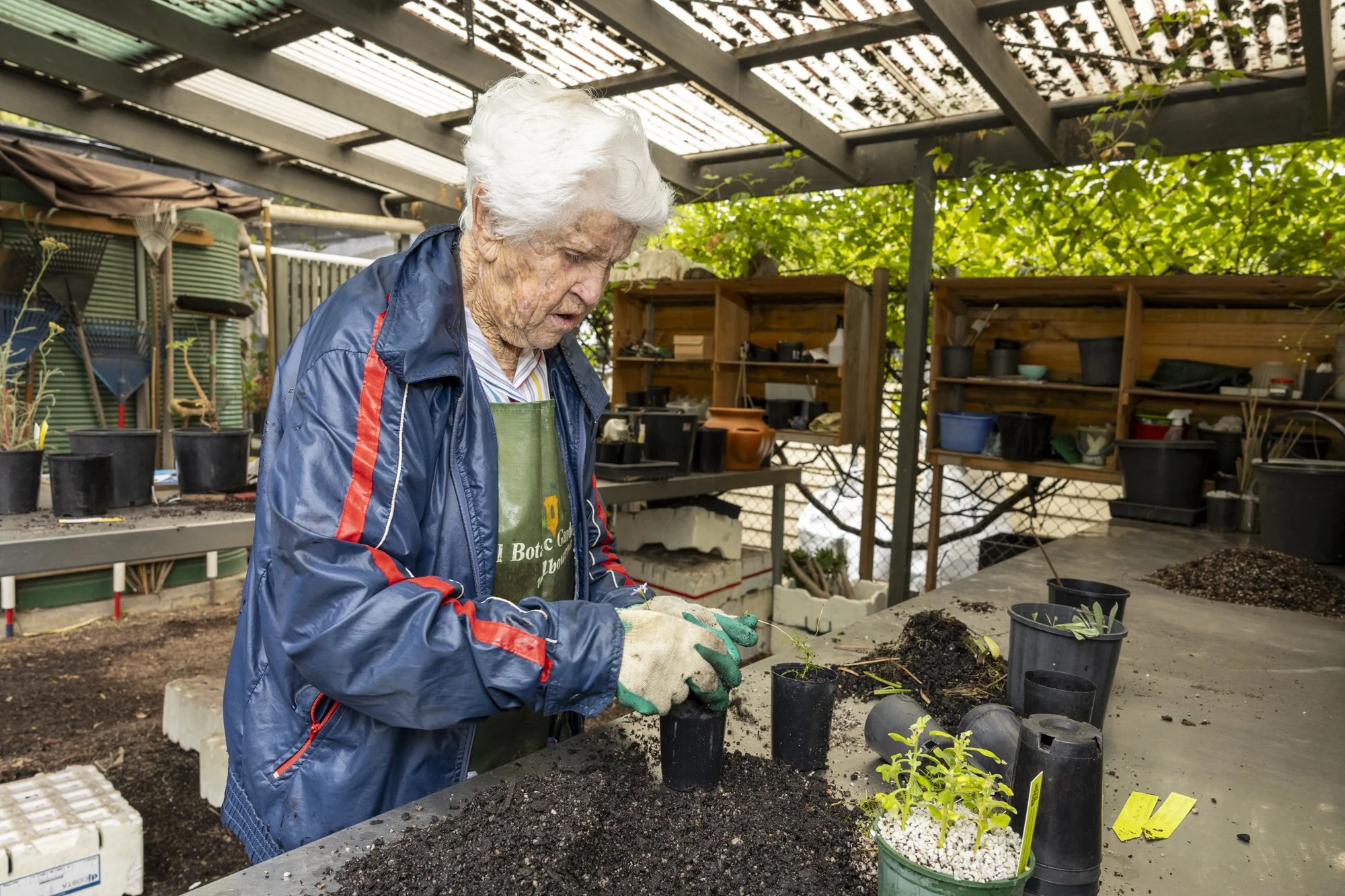
I enjoy growing and learning and staying active.
At my age I don’t go out and socialise like I used to.
- June, 100, volunteer
Below: Jasmine, one of the newer volunteers, with one of her favourite plants in the nursery.
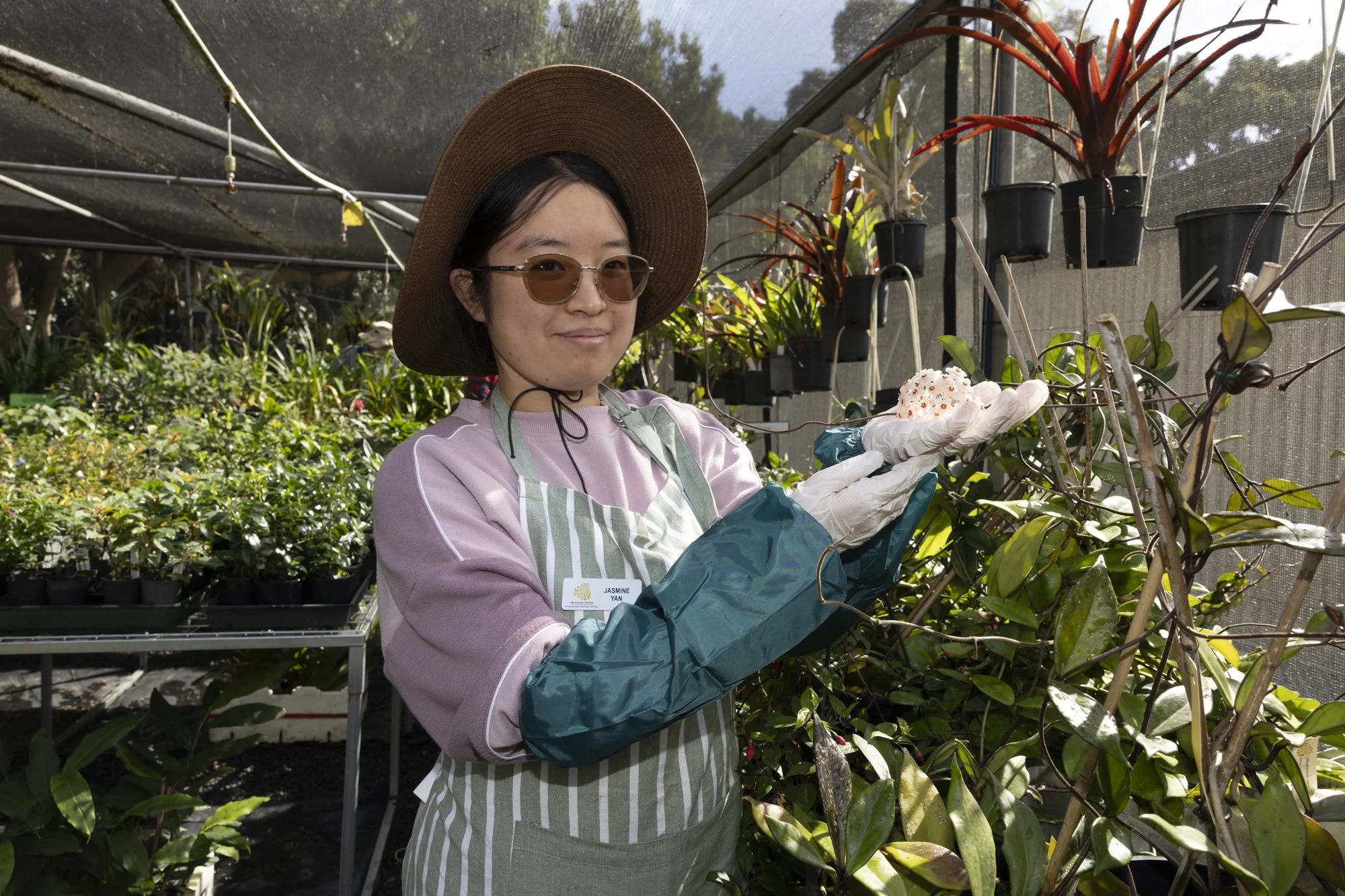
You get to challenge your brain all the time. There are no stereotypes - the plants always surprise you.
- Jasmine, volunteer
Growing Friends’ Convenor Judith Dickson took on the role in 2025 after long term Convenor Michael Hare stepped down. He still volunteers and shares a wealth of knowledge, but says he is enjoying his ‘retirement’ from the role and getting to spend more time with the Vireyas (Rhododendrons).
Judith says a lot of the success of the Growing Friends’ Group comes down to the people involved and their commitment to the cause - fundraising for the Friends of Royal Botanic Gardens Melbourne. They also support education and encourage connections with the Gardens and the National Herbarium, which is also on site.
“For many volunteers, the social aspect is just as important as the gardening. It provides connection, purpose and ongoing learning,” she said.
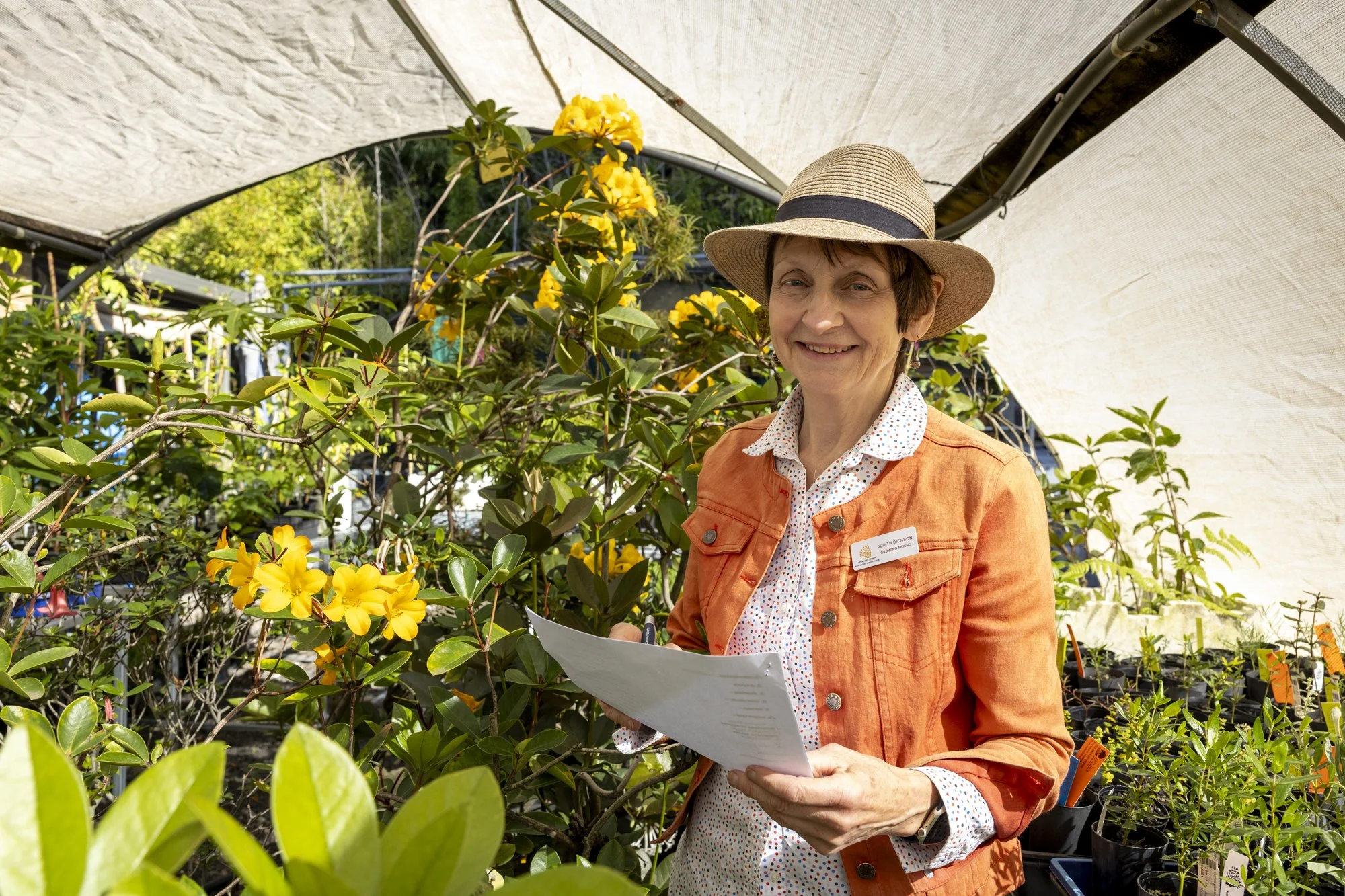
People aren’t just here to raise money, they’re here because it’s meaningful and enriching. We get back so much more than we give.
- Judith Dickson, Growing Friends’ Convenor
The nursery had to shut during COVID and a lot of stock and volunteers were lost. The numbers are healthy again with anywhere from 25-35 volunteers each week and an Expression of Interest register for people with the right skills and interests to get involved.
The Nursery Manager, Assistant Manager and Convenor put in around two to three days a week, while the volunteer managing the database also contributes additional hours. All other volunteers average between four to six hours a week, plus more around the time of the plant sales.
This is well above the latest reported average from Volunteering Australia in 2023, with an average of 151 hours per volunteer each year, down from 180 the previous year.
While the Growing Friends’ numbers are strong, as a group, they are looking at ways to plan for an ageing volunteer cohort and to address changes in volunteering trends.
With a number of improvements implemented or planned by former Convenor Michael Hare, Judith is committed to continuing what he began and supporting the Group to look to the future.
Plans include infrastructure upgrades, more strategic plant selection and a goal to increase sales by 20 per cent.
Recent upgrades include new nursery tables, gravel paths and payment technology as well as designs for new irrigation and a small heat propagation unit to improve production and reduce water use.
“With two major sales in Autumn and Spring each year and the nursery open for casual sales most Fridays, the Growing Friends’ group raised nearly $70,000 last year, a major contributor to The Friends of the Royal Botanic Gardens and, through them, to the Friends of the Royal Botanic Gardens Melbourne Trust Fund.”
Established in 1986, the Friends’ Trust Fund supports a range of projects each year.
In 2024/25 the Trust provided $182,075 to staff scholarships and research grants, and included the first payment of $117,135, one of several payments on a multi-year grant of $270,000 for restoration of historic arbours in the Gardens. This in turn supports the Royal Botanic Gardens and its mission to champion the role of plants and the Botanic Gardens for the wellbeing of people and the planet.
The Gardens are leading the world in botanical, horticultural and conservation research, community engagement and climate change adaptation. While the Growing Friends’ group is just one small part of that, their work, in partnership with Gardens’ staff, has seen thousands of plants go to homes across Australia.
“By working with the Gardens’ staff to extend our plant range to include more rare species, we hope to contribute to the public’s understanding of the role home gardens can play in conservation and climate adaptation.”
“The plant sales are part of that, but just about every time the volunteers walk through the garden they stop and answer questions from visitors to the Gardens.
“Each year, we interact with thousands of visitors, talking about plants, the Gardens, and environmental issues. Even informal interactions are a key part of supporting the public engagement role of the Gardens.”
Judith says the relationship with the Gardens’ staff is another key to the success of the group.
“We are enormously grateful to the Gardens’ horticulture teams for their help in the major plant sales, for providing nursery and propagation facilities and for sharing their knowledge with us.
“We also exchange knowledge with them - it’s very much a two-way relationship. This relationship and knowledge sharing between our members and staff contributes to our support of the Gardens financially as well as our engagement with thousands of people each year around conservation and education.”
Friends of Royal Botanic Gardens President Bud Batrouney said the Growing Friends played an important role in fundraising to support projects through the Royal Botanic Gardens that could not otherwise go ahead.
“Despite the economic pressures faced by many, our financial health has remained sound - thanks in no small part to the steadfast commitment of our members and also the people who support the plant sale and other fundraising initiatives, events and projects throughout the year.
“I am heartened by the unwavering dedication displayed by the Friends’ staff, Council and volunteers.”
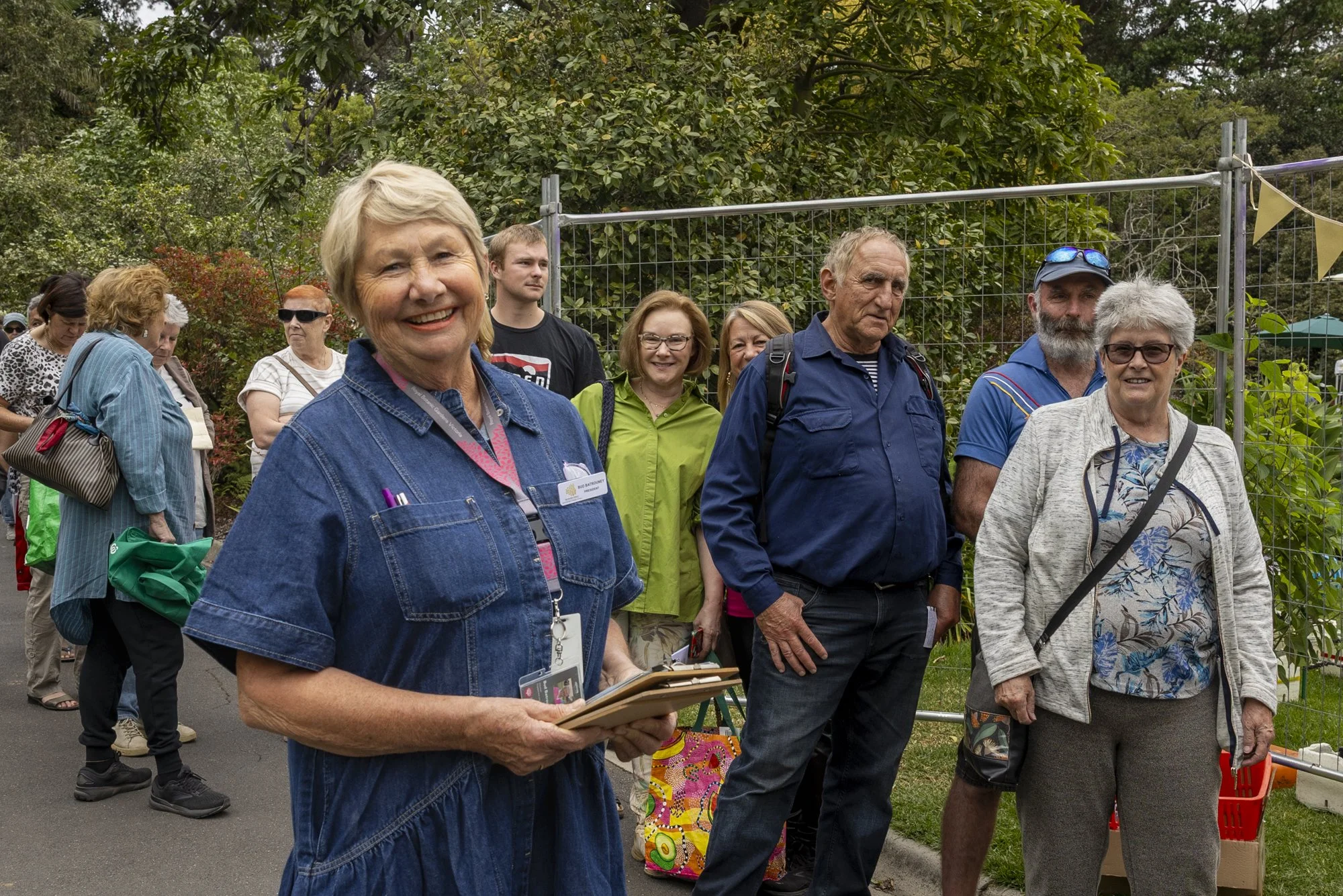
The value of fundraising
“We can support projects that would not otherwise go ahead and the knowledge that is passed along through the staff scholarships is amazing.”
- Bud Batrouney, President Friends of Royal Botanic Gardens, Melbourne.
Plant selection and propagation
Volunteer Judy Firkin leads the propagation and plant selection for the Group. She works closely with the Royal Botanic Gardens’ staff to source plants and with the volunteers and community to choose a range of plants that are appealing to plant collectors, to newer gardeners and to the changing climate.
It’s a tough role with plenty of opinions about what should and shouldn’t be included, but she navigates it well and is always planning out the next growing season and trying to stay ahead of trends and bring in new and interesting plants from the Gardens.
Her detailed botanical knowledge sits comfortably alongside historical stories about the plants, providing an engaging entry point for people who are newer to plants and gardening or to those interested in learning more.
The Flowers of the Incas
There’s a story about two Incan Princes whose fathers were rivals.
The Princes were friends, but when their fathers were killed, they had to take on the role of kings and continue the war.
They both died in battle and were buried together. The red and white flowers are said to represent them. It’s a lovely story.
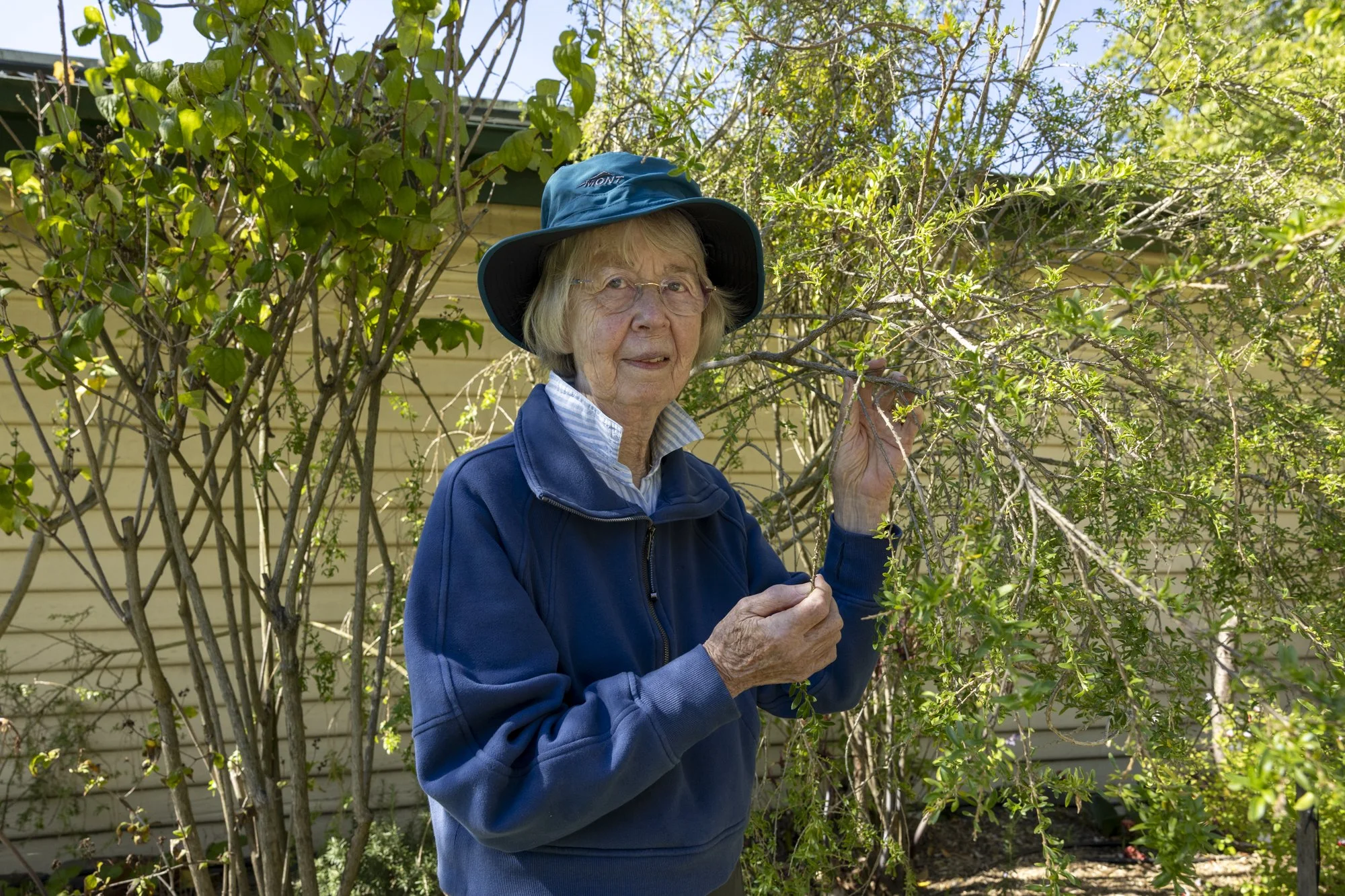
Pictured: Judy Firkin with Cantua buxifolia, a flowering shrub native to the Andean valleys, known for its vibrant red, yellow, and pink trumpet-shaped flowers.
Rembrandt’s paper
and Japanese currency
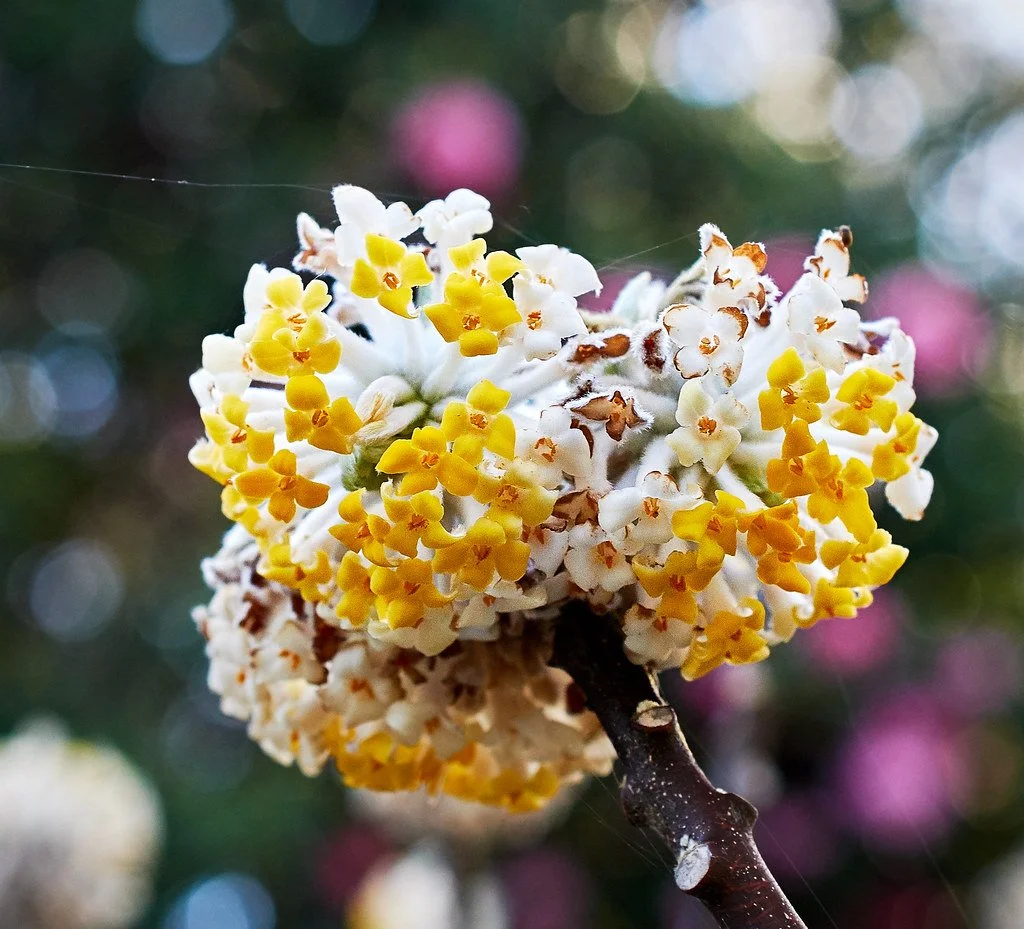
Commonly called Golden Daphne (Edgeworthia), Judy explains it’s not actually a Daphne, but it’s in the same family.
It’s deciduous, and in winter the buds become silvery, along with the stems, so it almost looks like an ornamental tree.
The wood is quite special—it’s used to make very high-quality paper. There are stories that Rembrandt used this paper and that Japanese currency was once made from it.
It’s named after a brother and sister in the 19th century - the brother was an amateur botanist, and the sister was a well-known novelist.
Picture: Edgeworthia in flower at the Botanic Gardens. Image supplied Keith Ross.
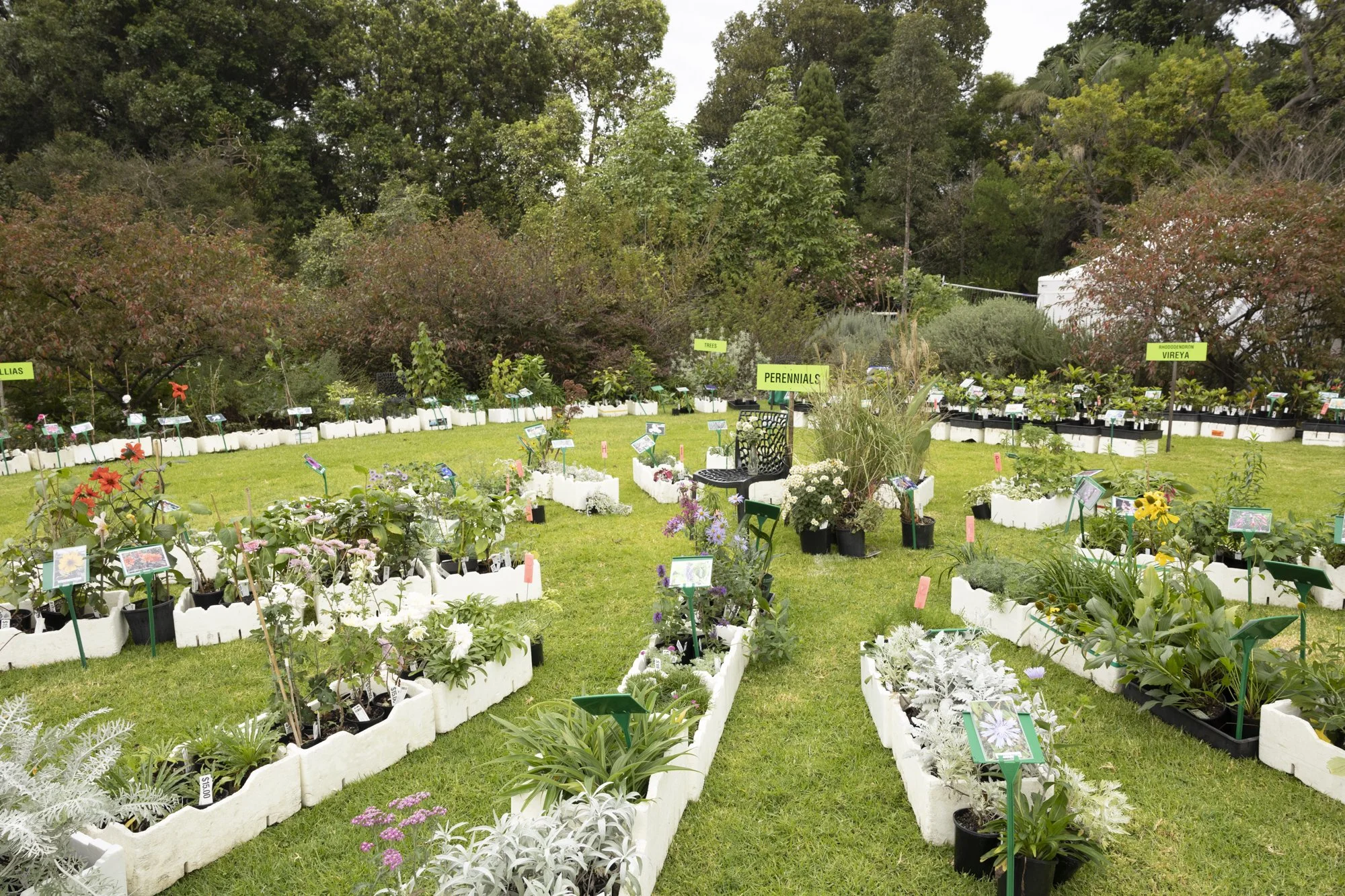
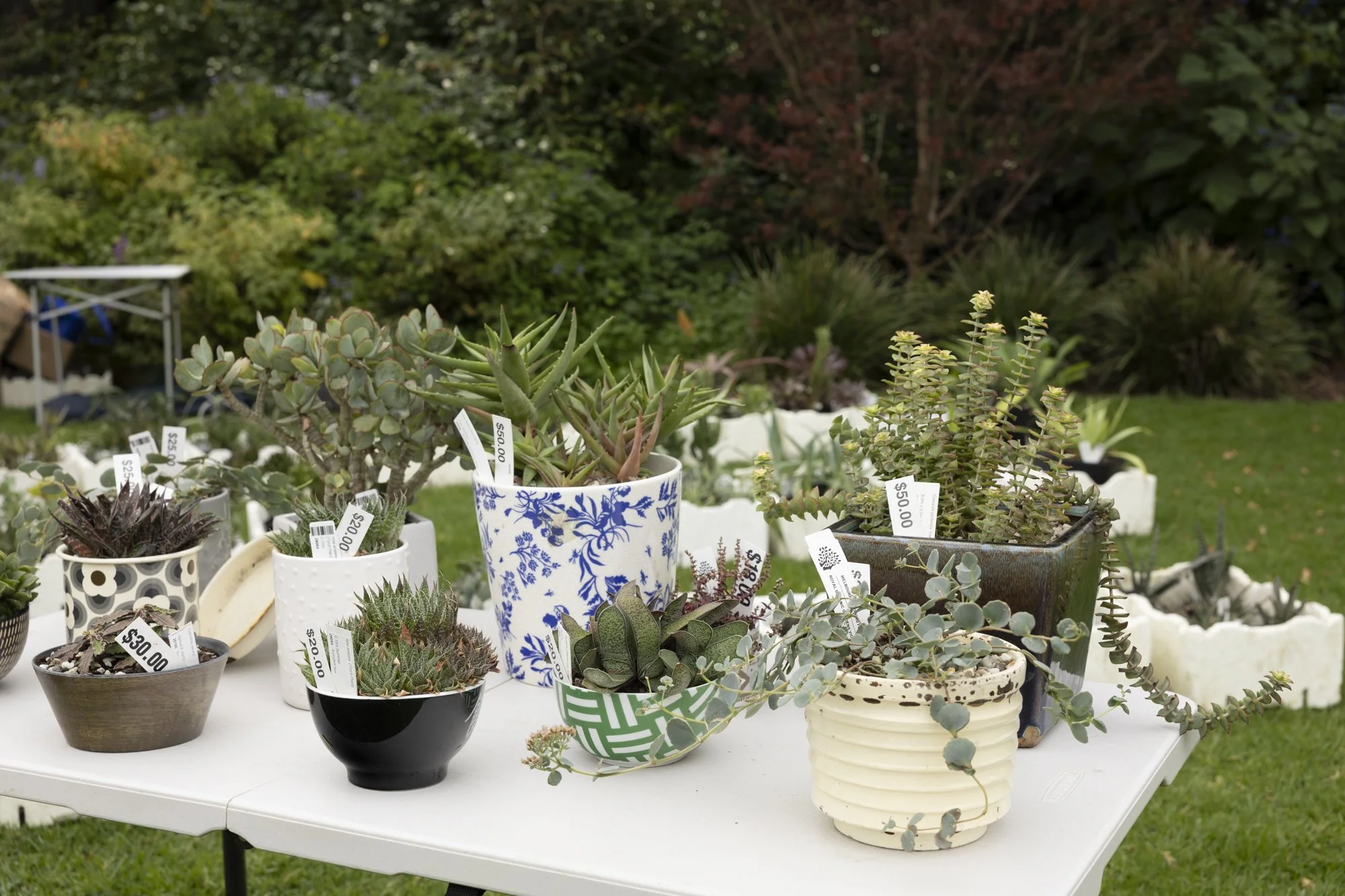
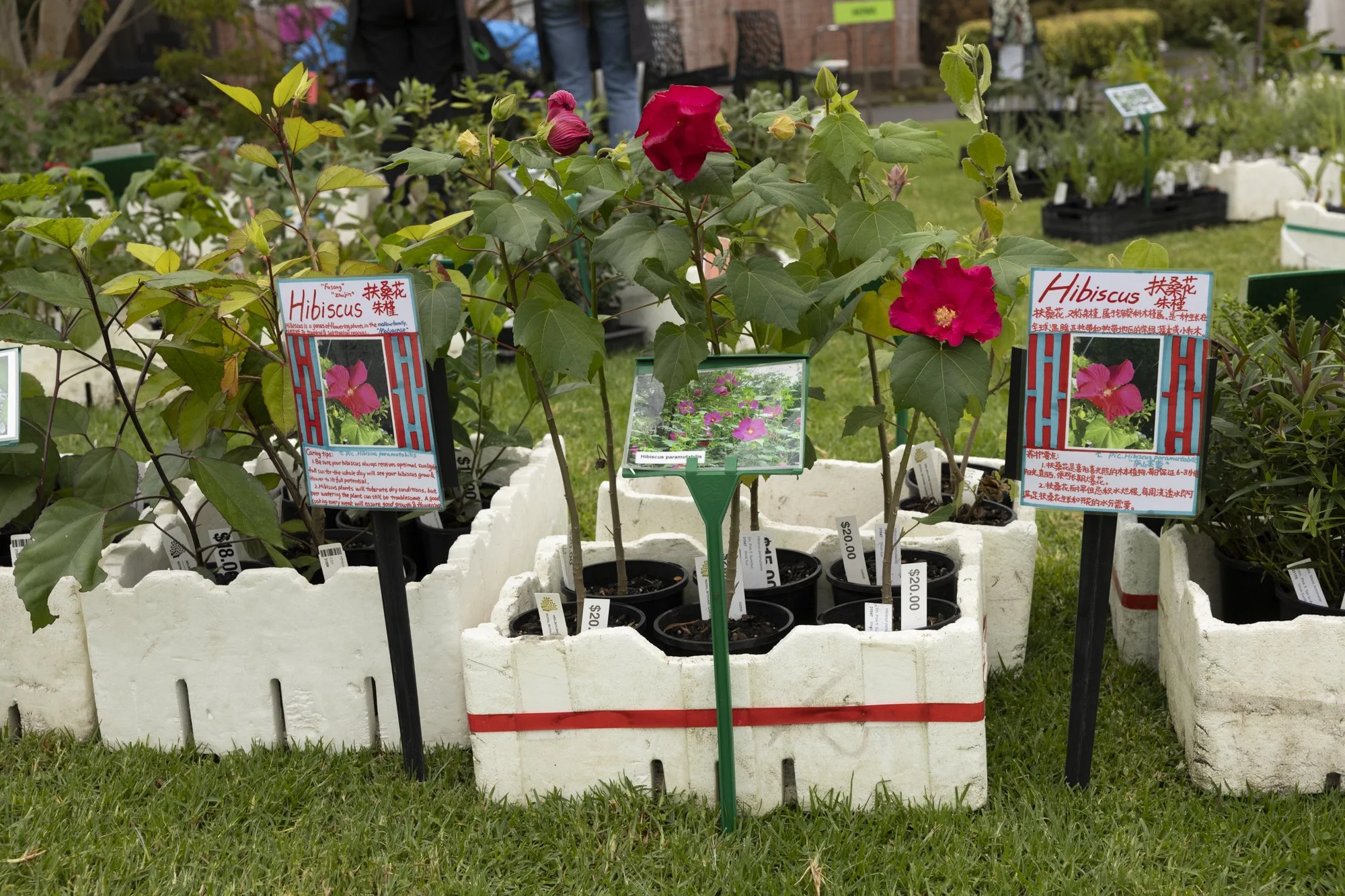
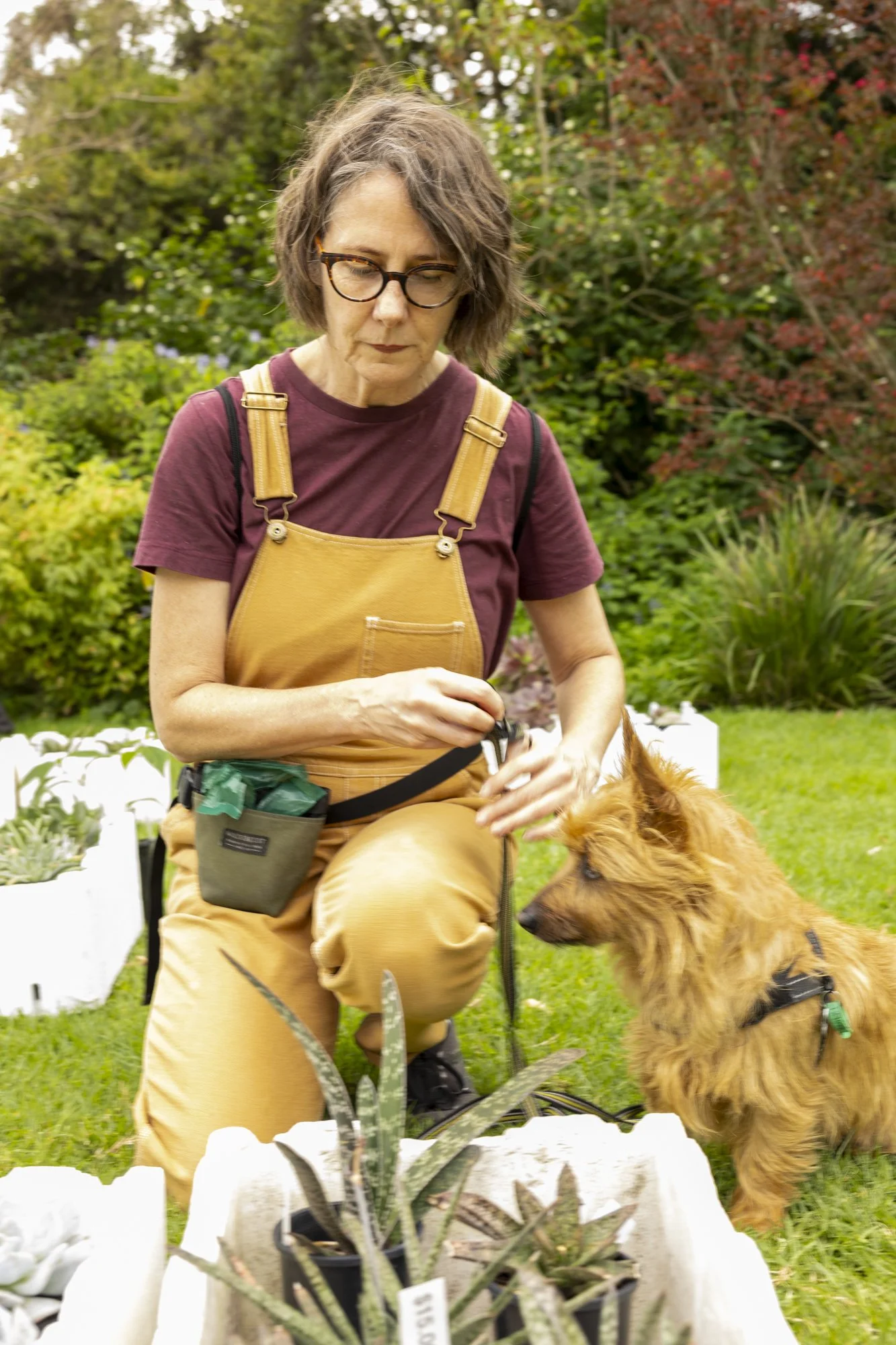
Autumn plant sale 2026
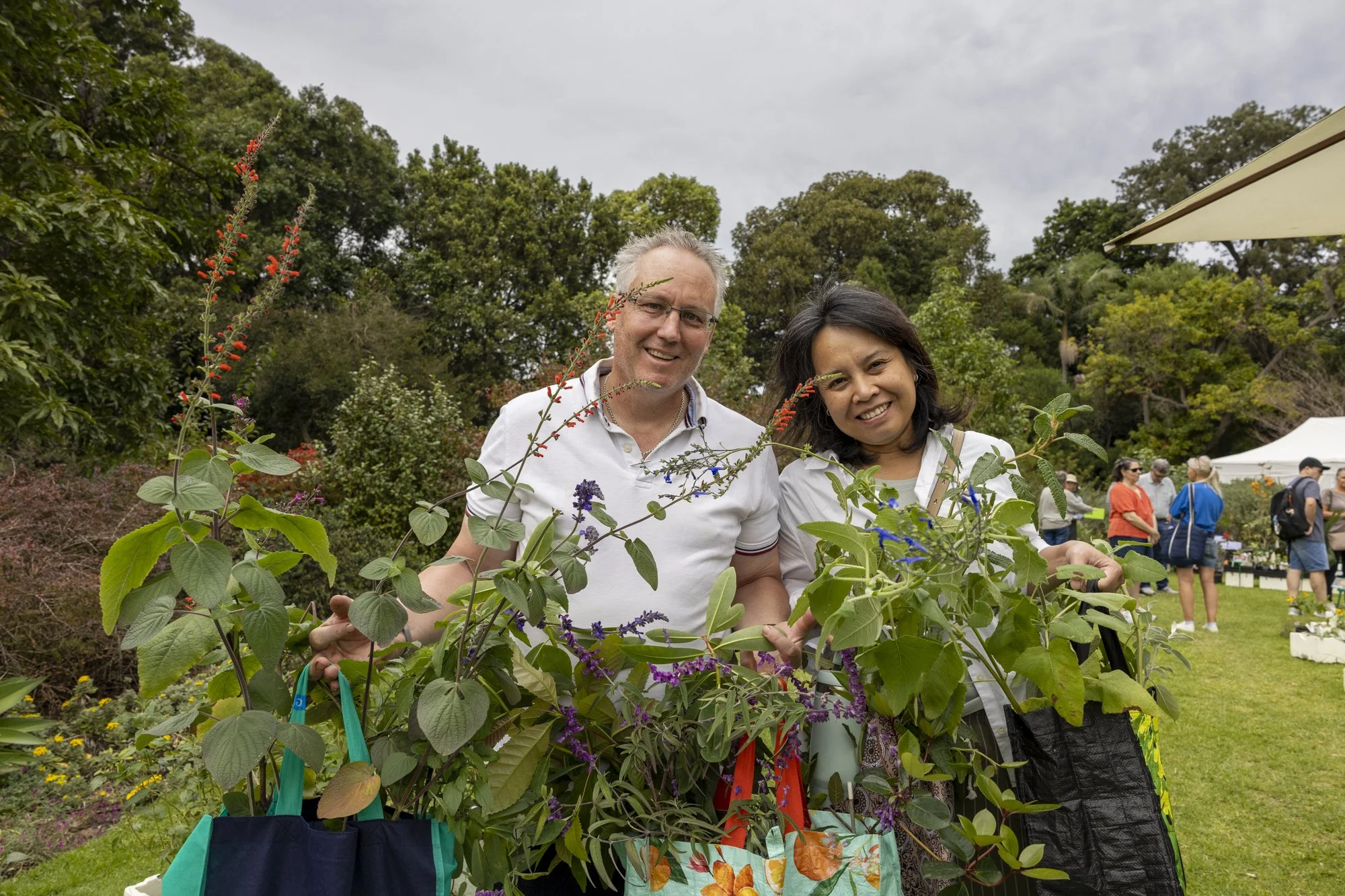
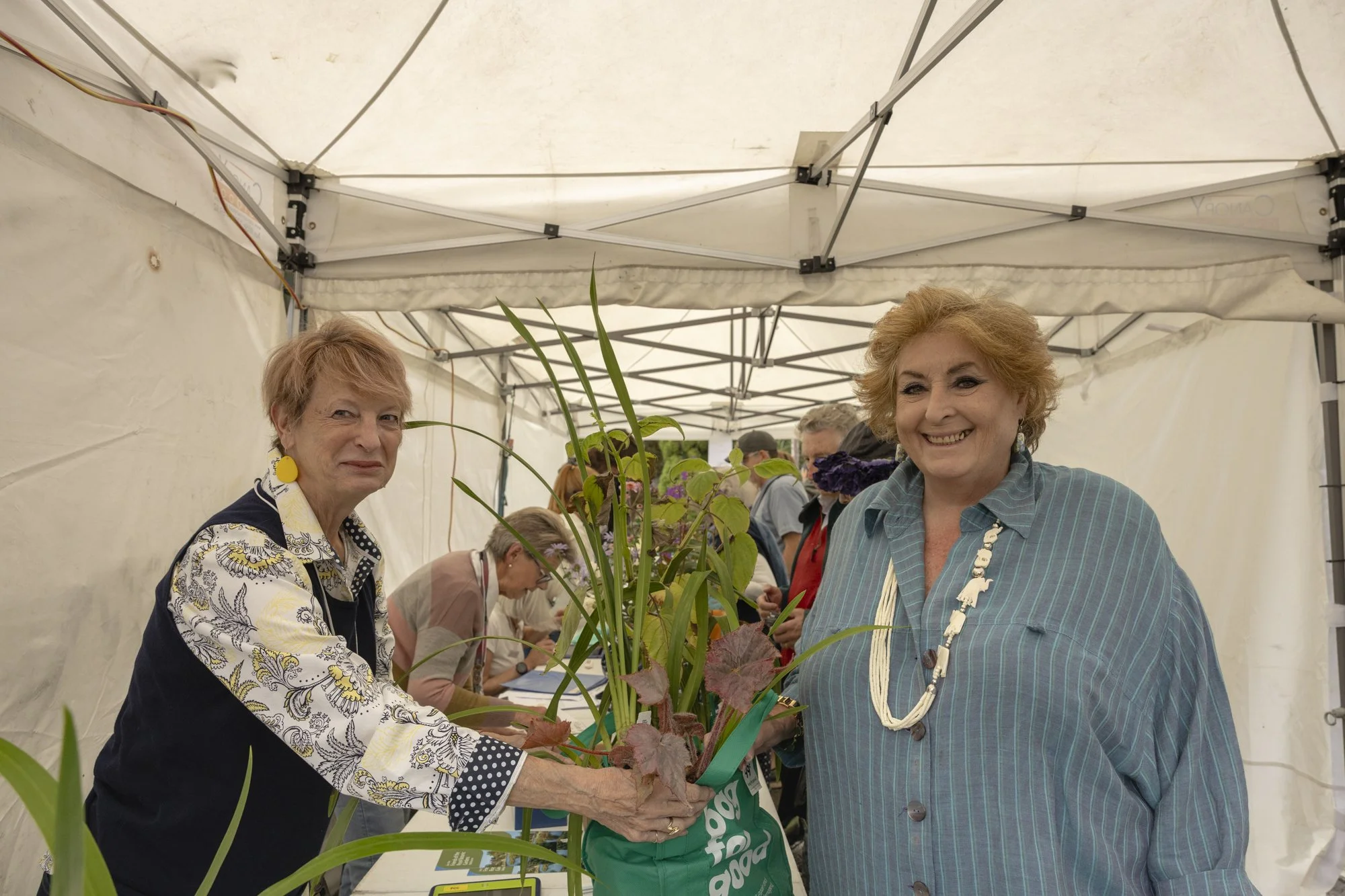
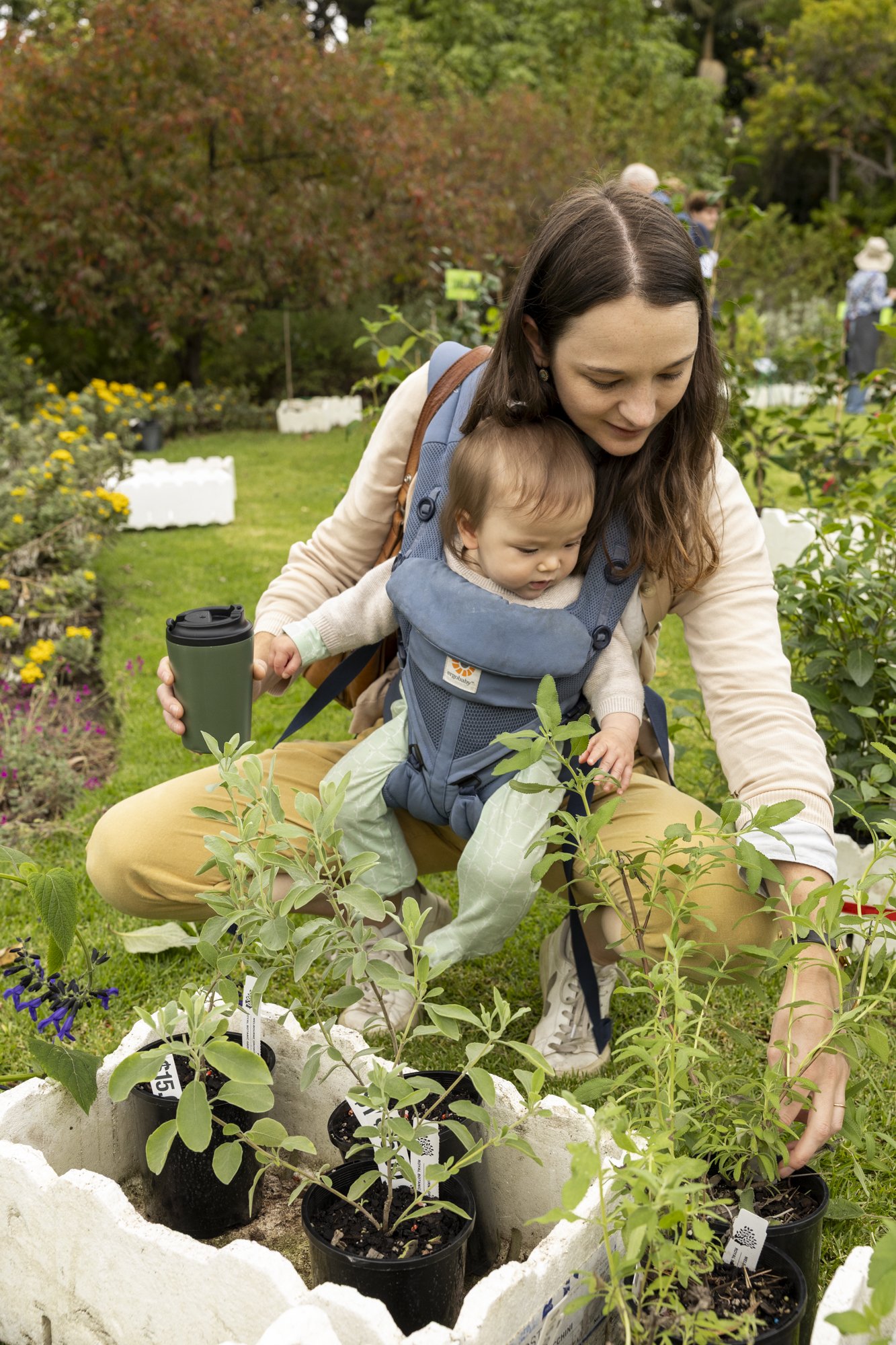
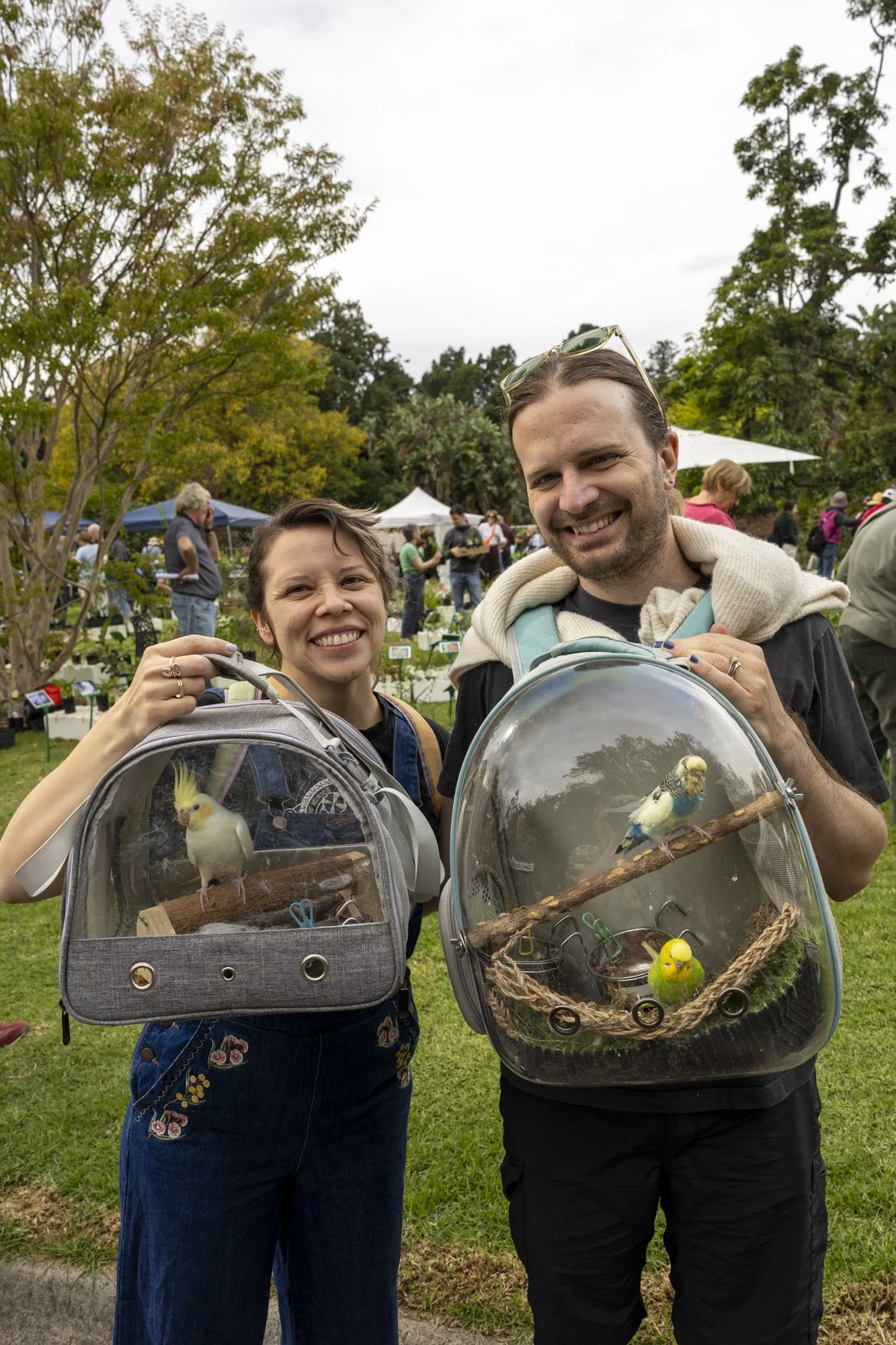
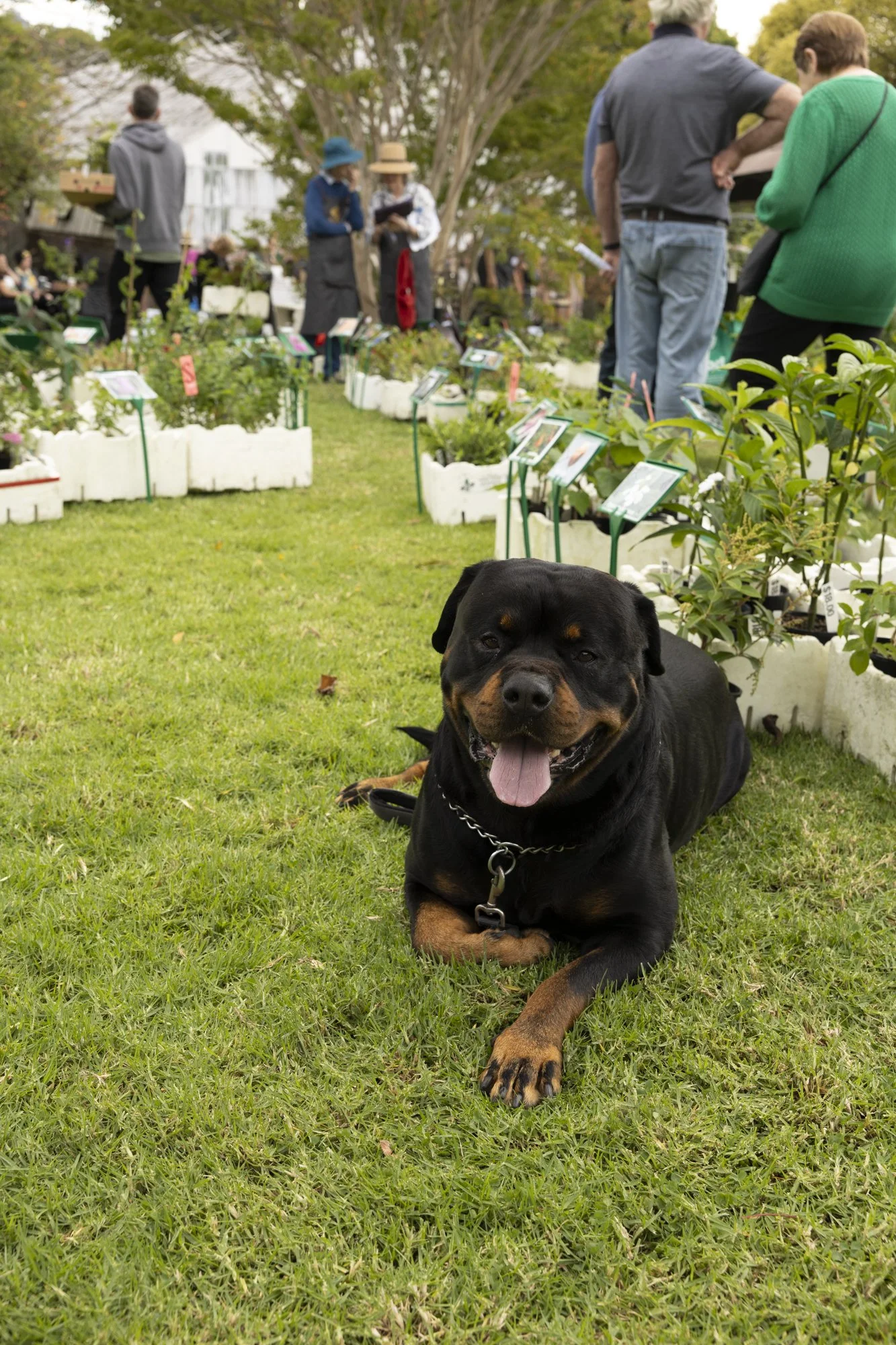
If the Autumn plant sale is anything to go by, the plants are highly sought after with nearly 100 people in line before the gates opened, most with a clear plan on what plants they wanted.
It was the busiest sale day the volunteers can recall since COVID.
From Violet who attended her first sale this year at just 6 months old, to 21-year-old Aidan who has been coming with his mother since he was younger to help carry the plants and Erik and Ri who are reforesting a cattle farm near Daylesford with 100,000 trees, the plants are in high demand and the future looks strong for years to come.
The ink is still drying on the final figures, but by all accounts it was a successful sale, despite terrible weather on the second day. With more than 2000 people through the gates and strong interest from younger plant enthusiasts and collectors, the future looks strong for years to come.
But for now it’s back to the nursery to do it all again on Friday and get ready for the Spring sale.
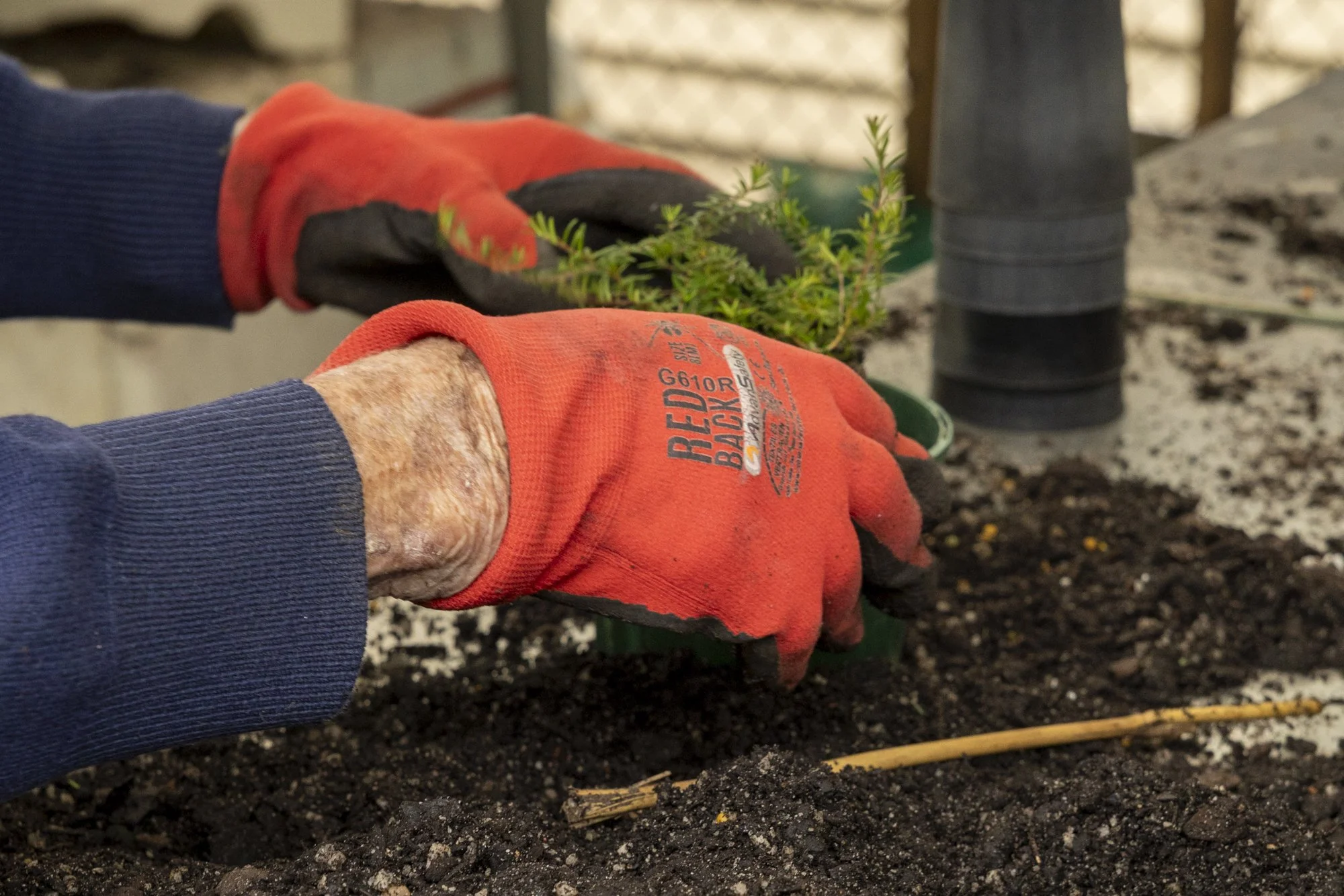
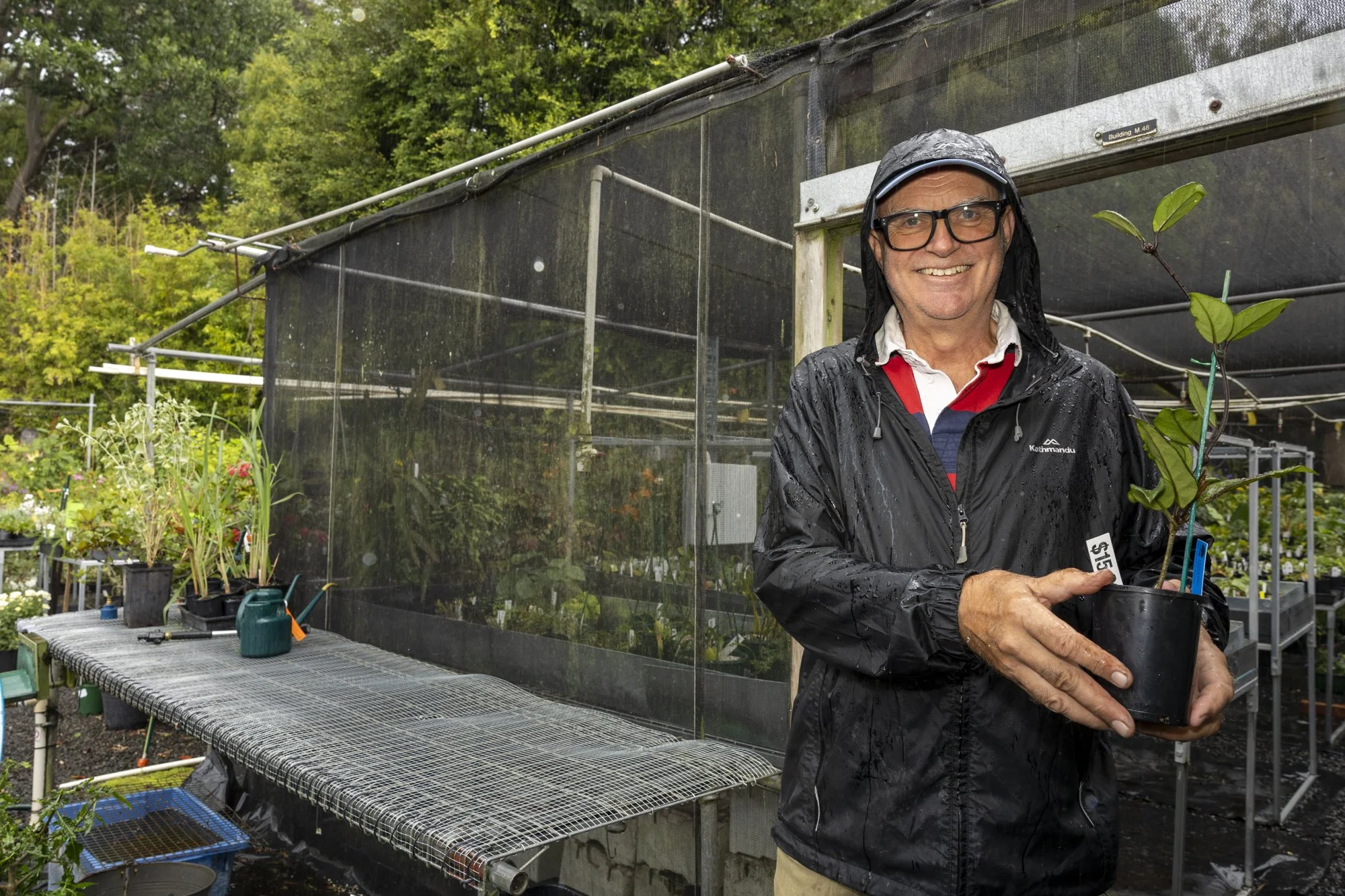
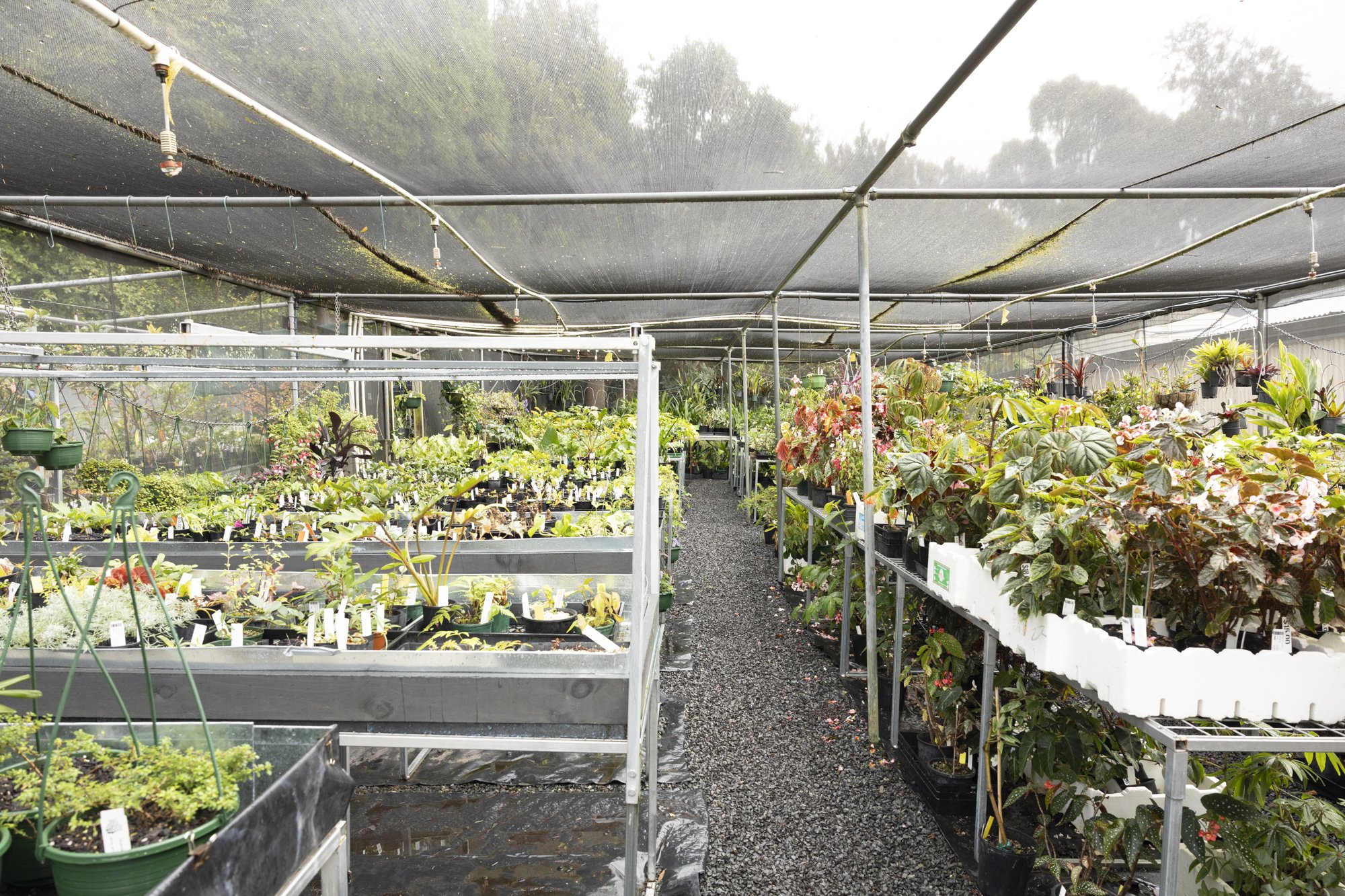
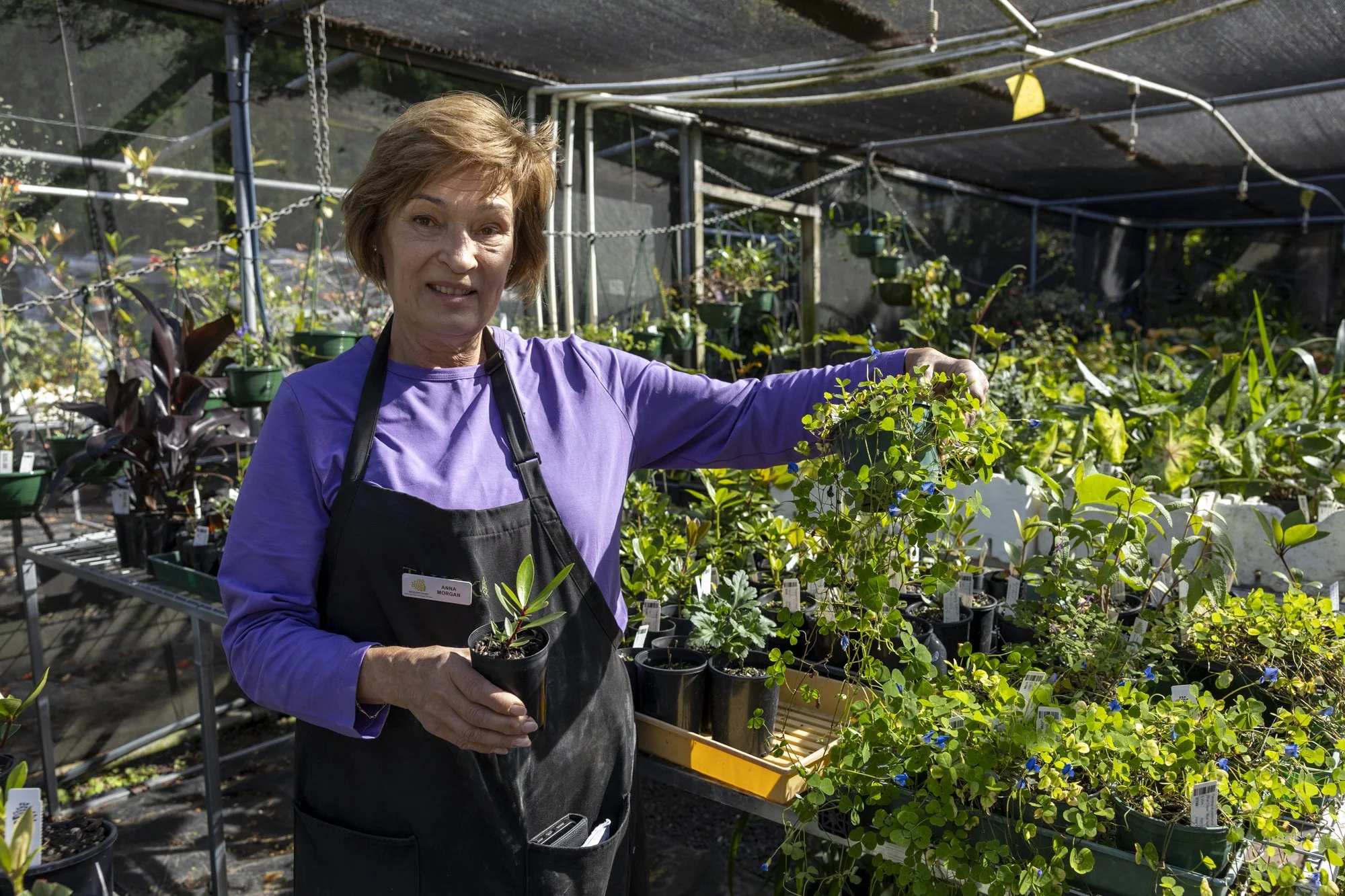
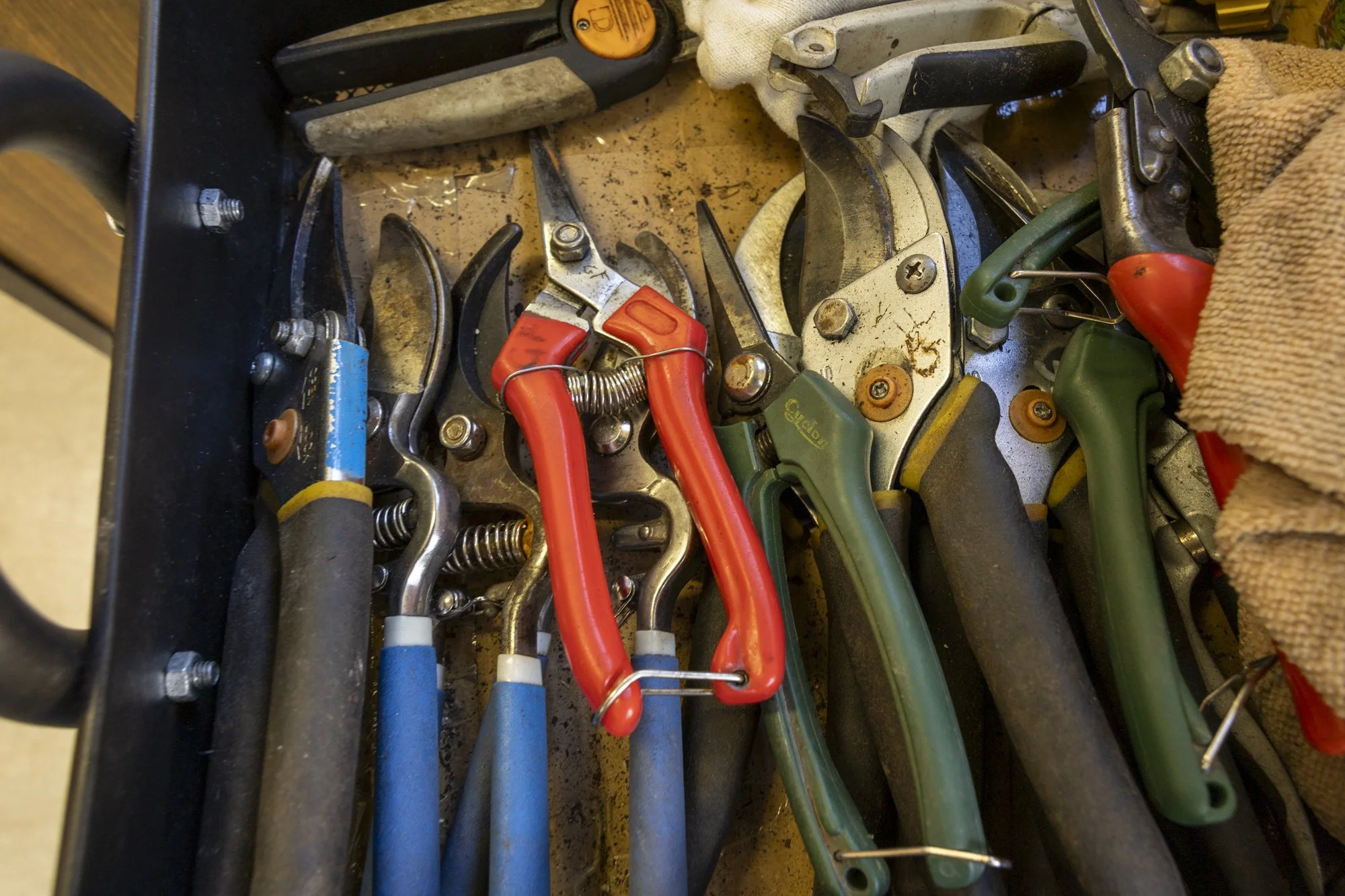
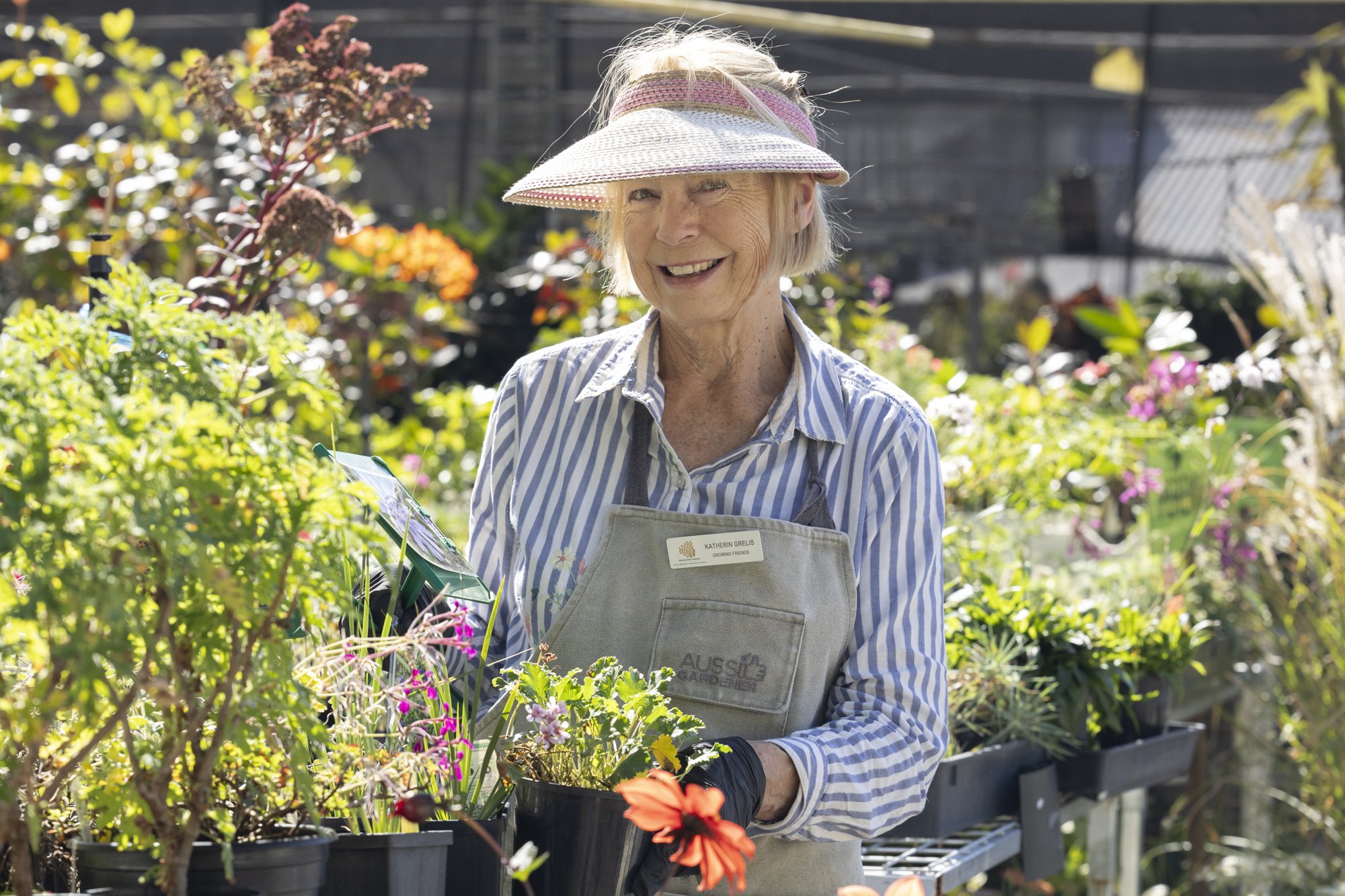
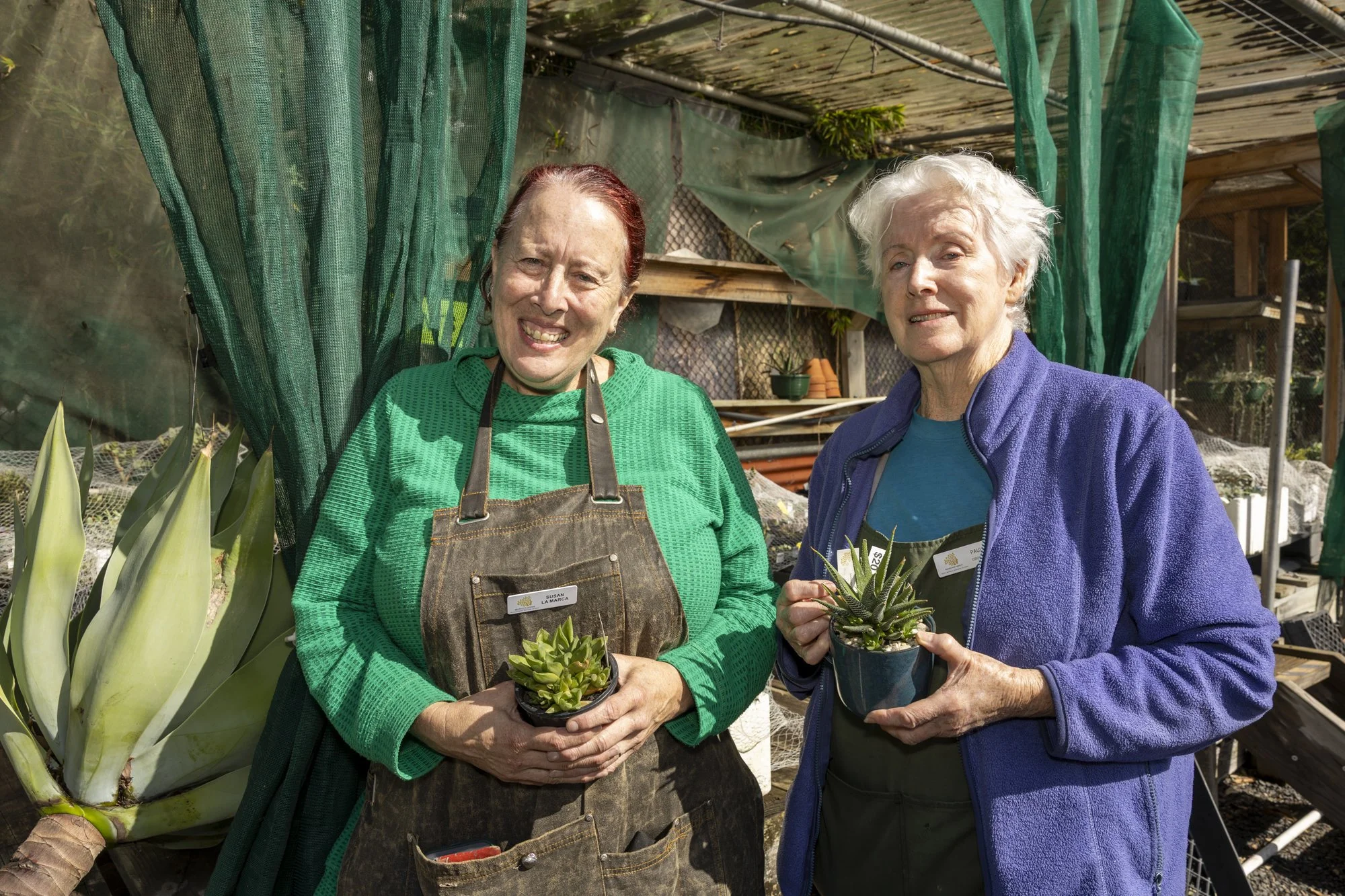
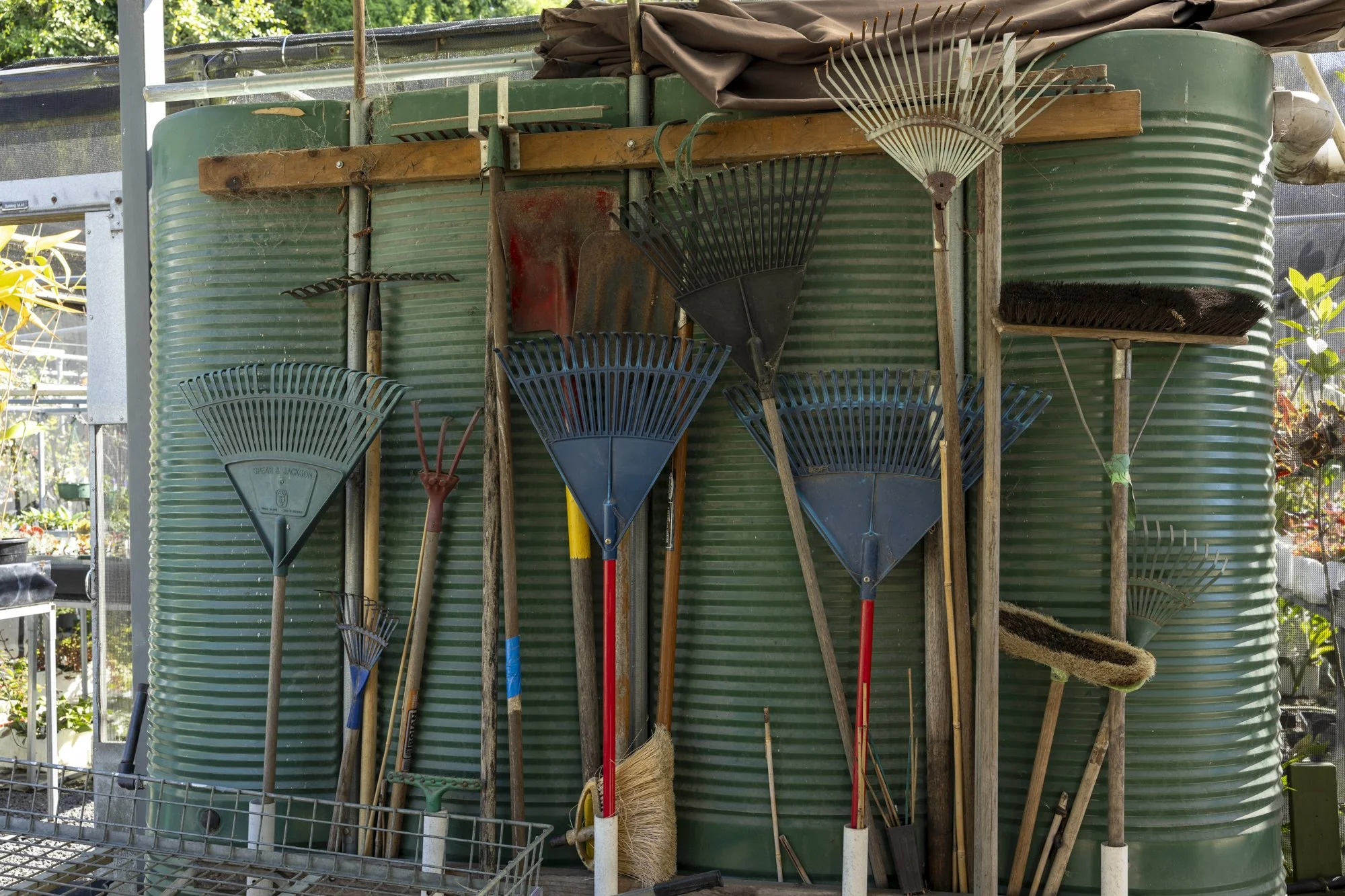
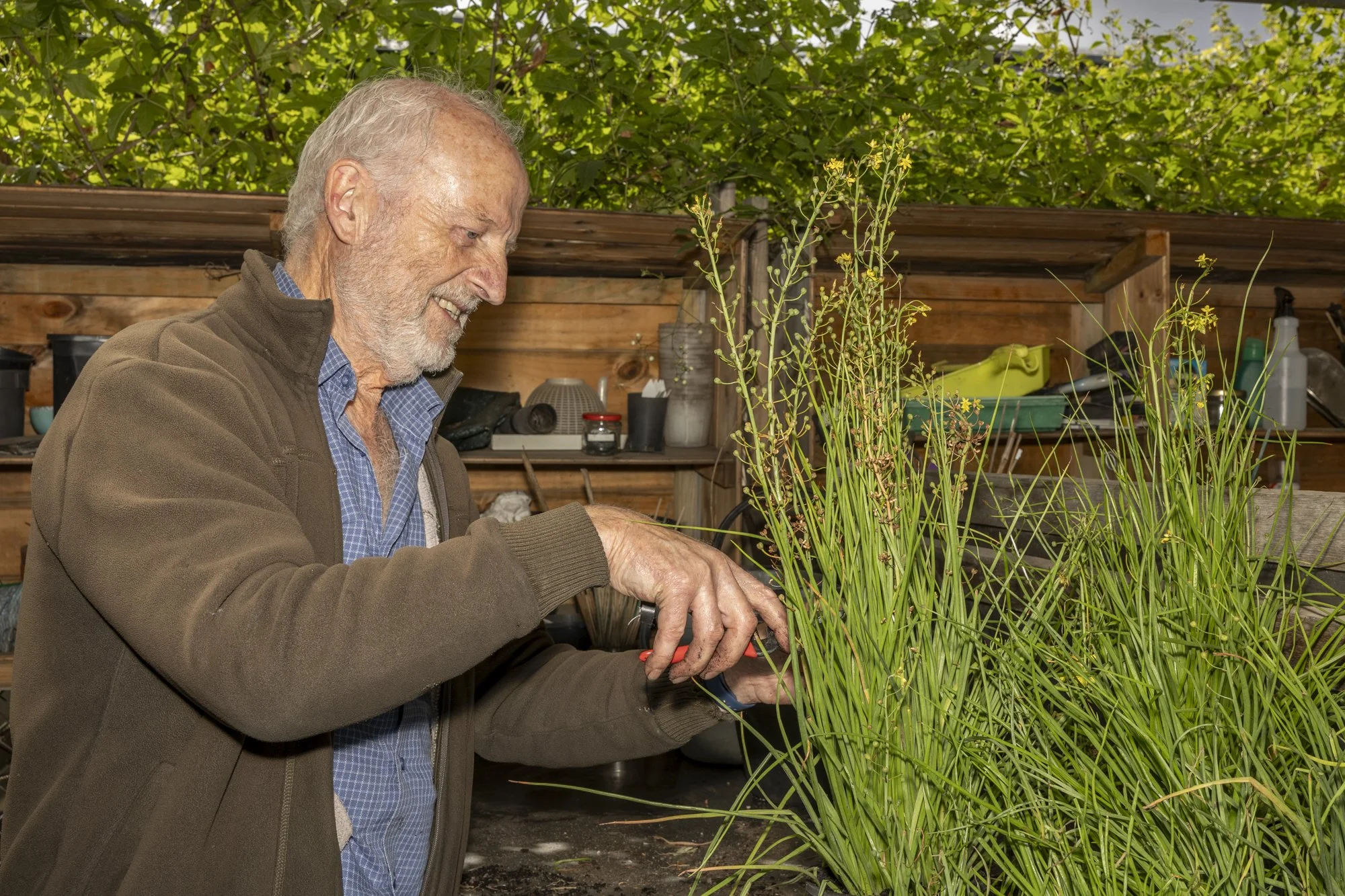
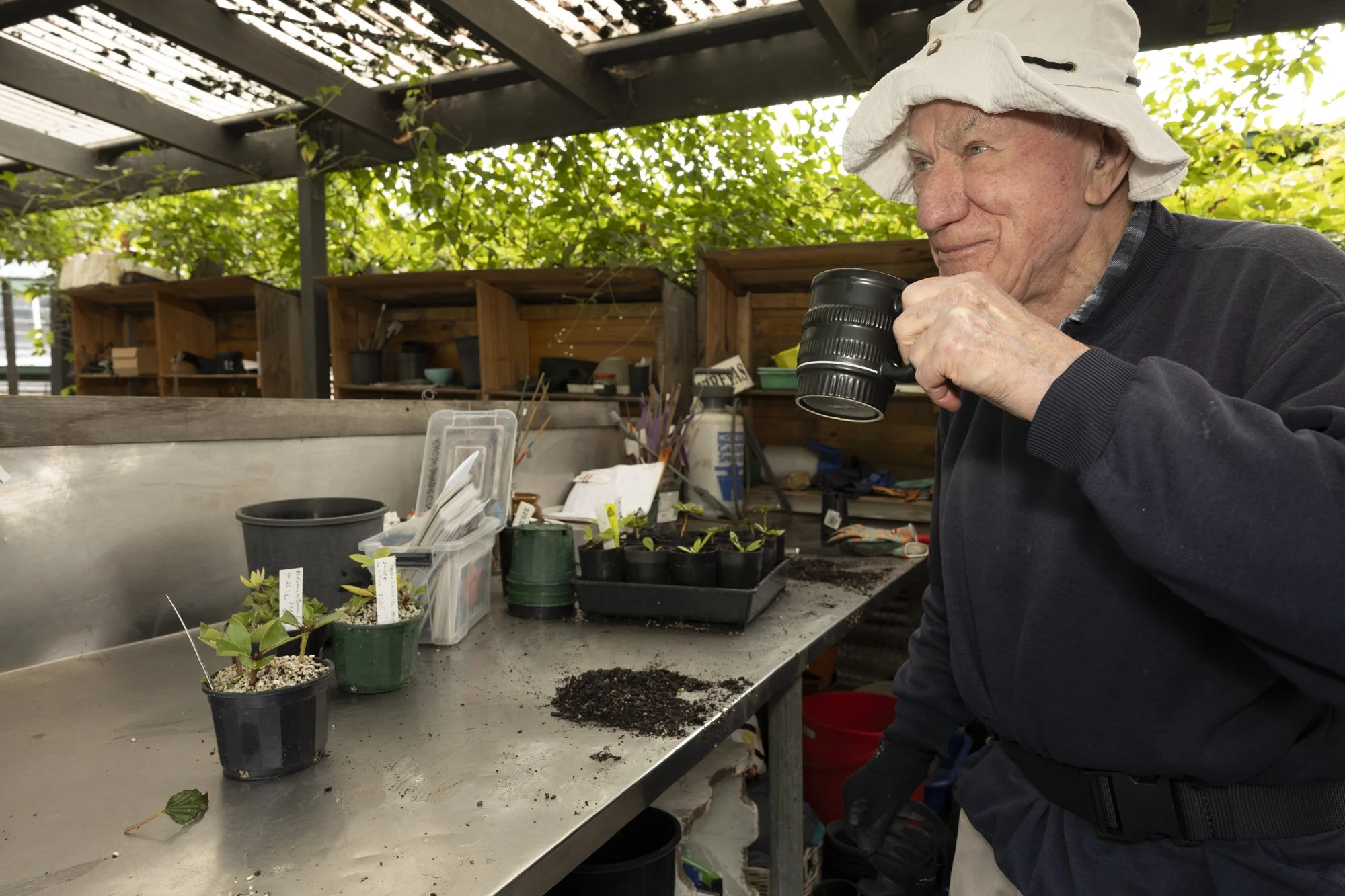
Behind the scenes in the nursery
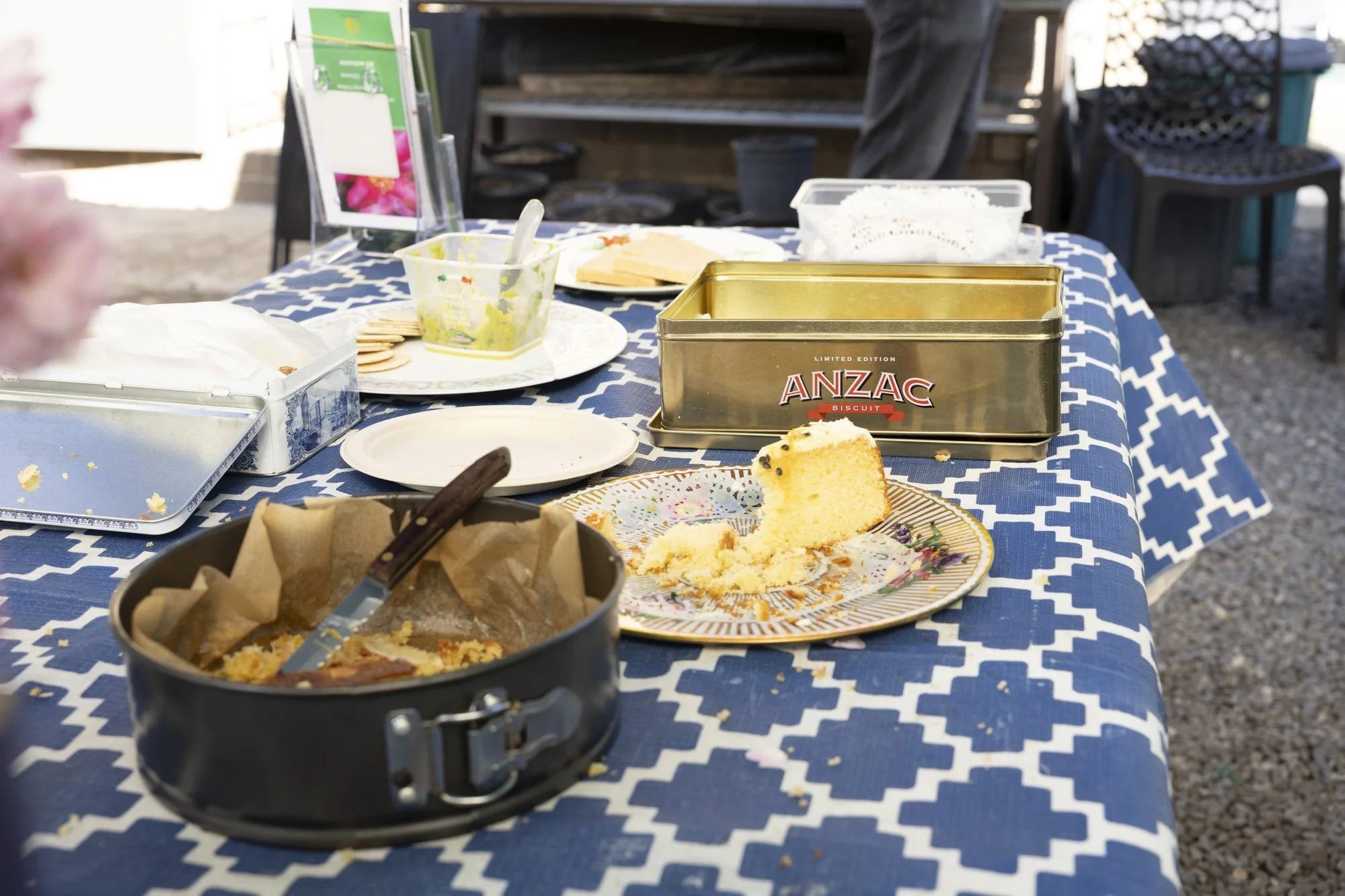
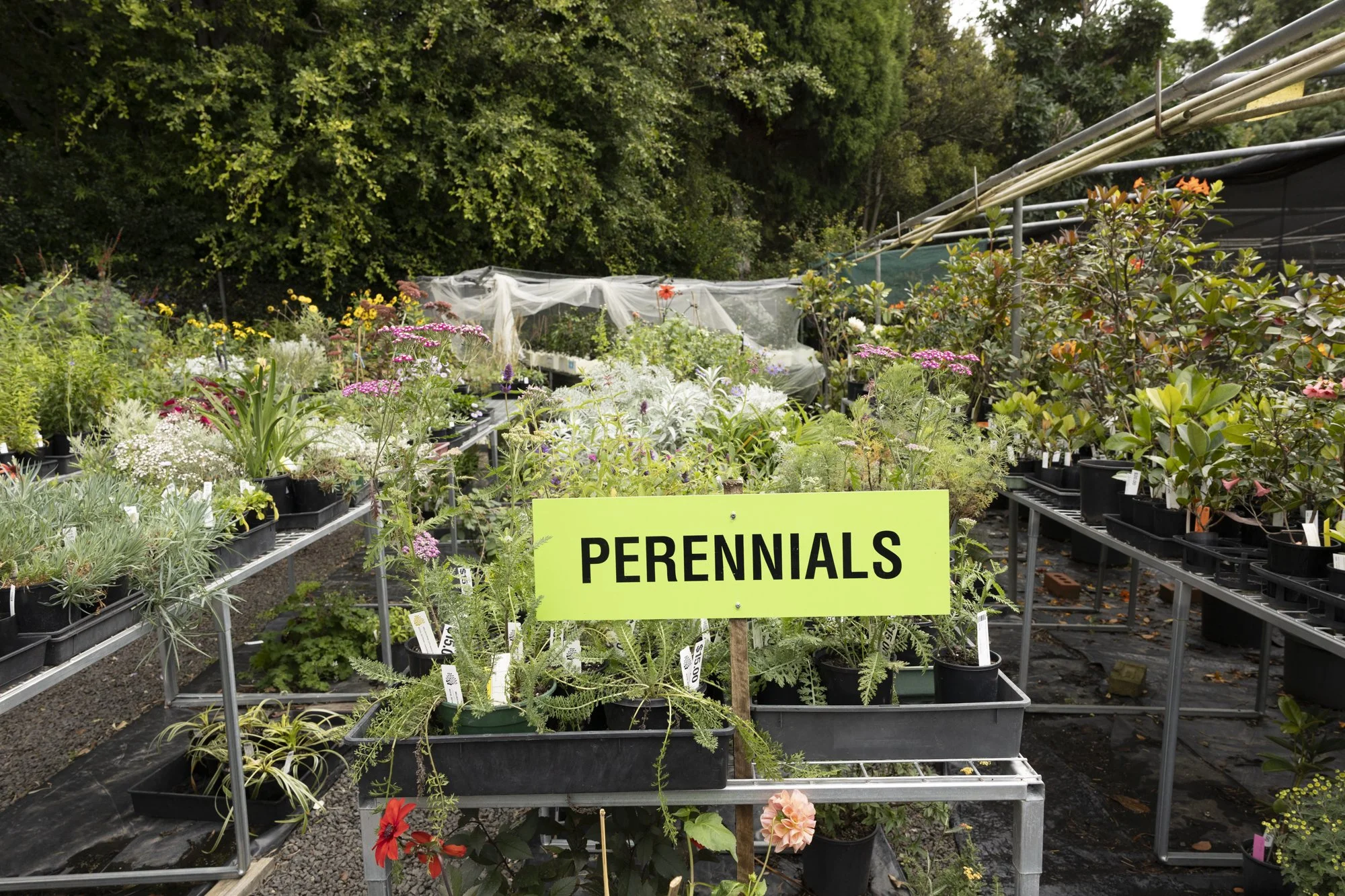
Autumn plant sale 2026
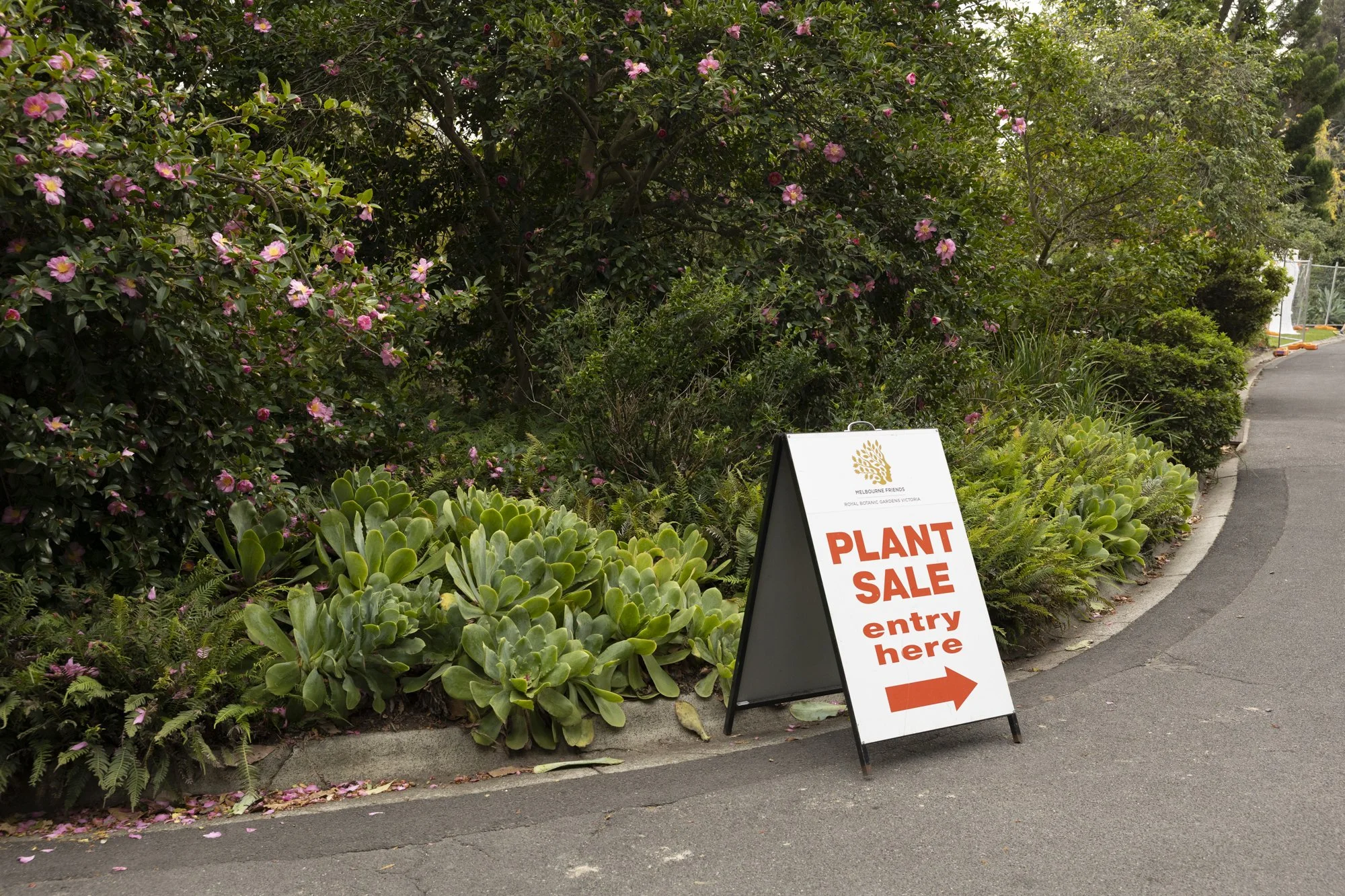
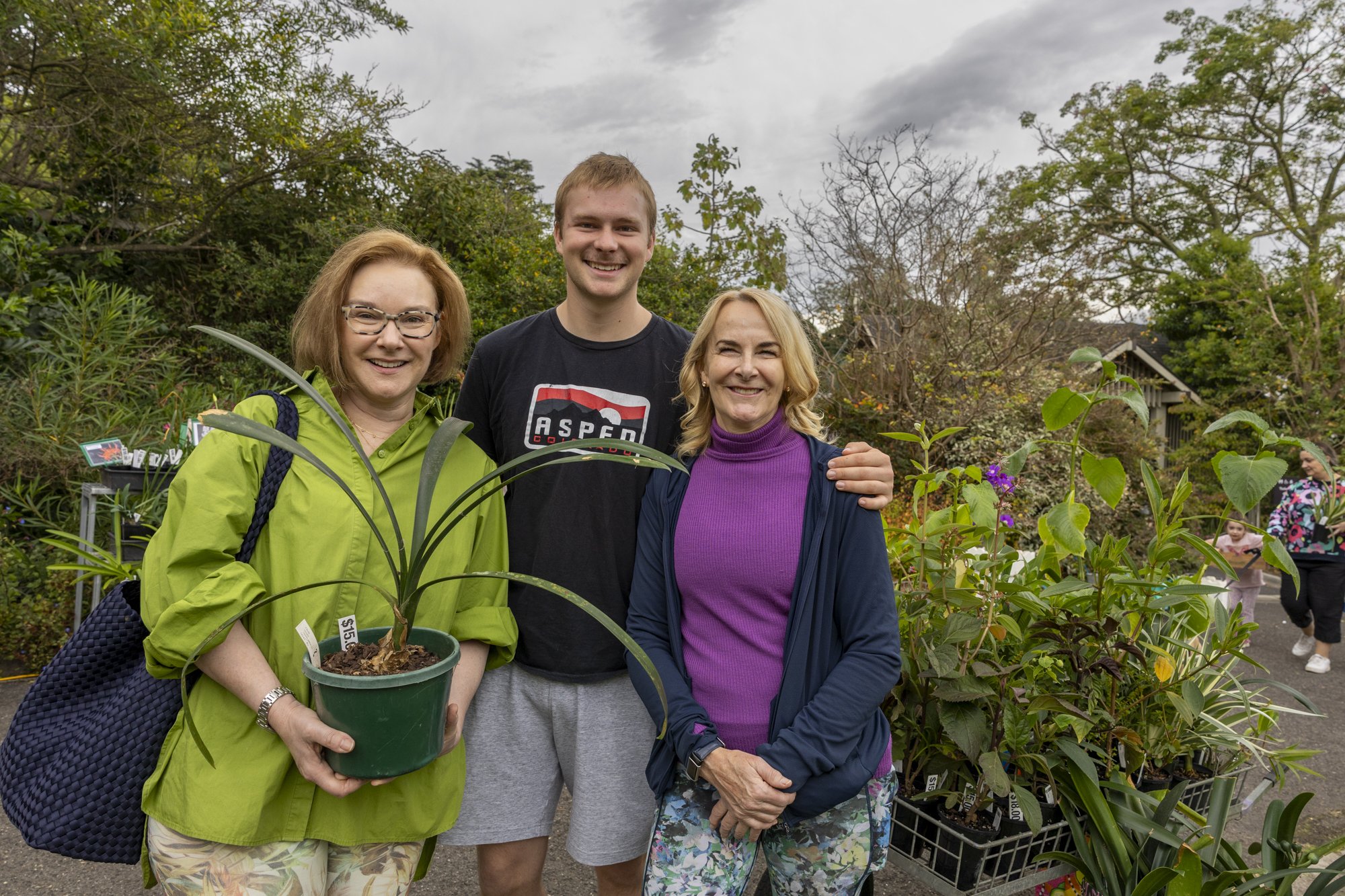
About the Friends of the Royal Botanic Gardens Melbourne
The Friends of the Royal Botanic Gardens Melbourne is a not-for-profit, membership based organisation. If you would like to find out more about the Growing Friends’ or other groups and events, please reach out to them on social media, drop in to Gate Lodge at the Gardens, call (03) 9650 6398 or email friends@frbgmelb.org.au.